Polaroid Mod trades digital perfection for the happy accident
Four creative modes on a physical dial, no menus and no app: Polaroid's new instant camera returns creative control to the amateur, and makes the case for the imperfect frame.
Polaroid built its reputation on a particular kind of waiting: the minutes between the click and the image, when the picture does not yet exist and already promises something.
For a generation raised on screens, that interval is nostalgia. For anyone who lived through the analogue years, it remains the whole point. It is in this territory that the company, founded by Edwin Land in 1937, introduces the Polaroid Mod, a camera that arrives less as a technical upgrade than as a statement of principle: to hand the amateur back the creative control that smartphone automation erased, without demanding technical fluency in return.
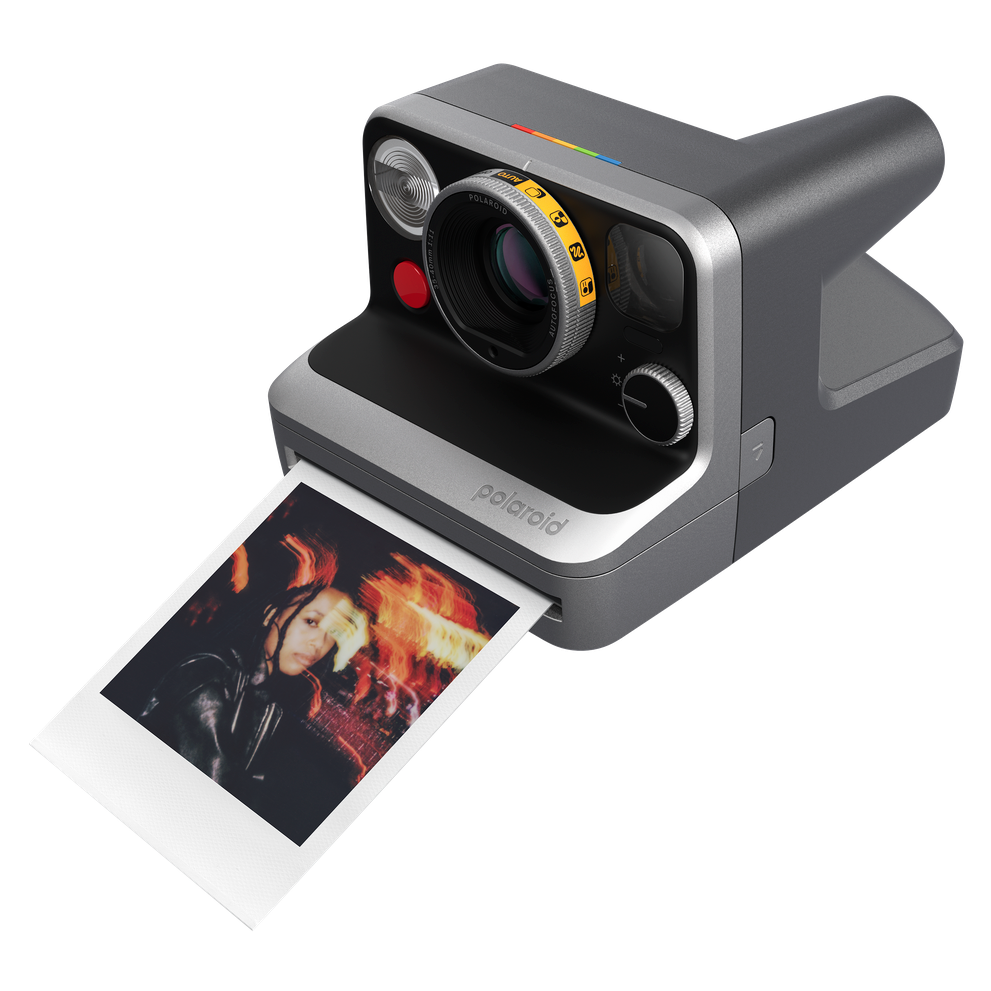
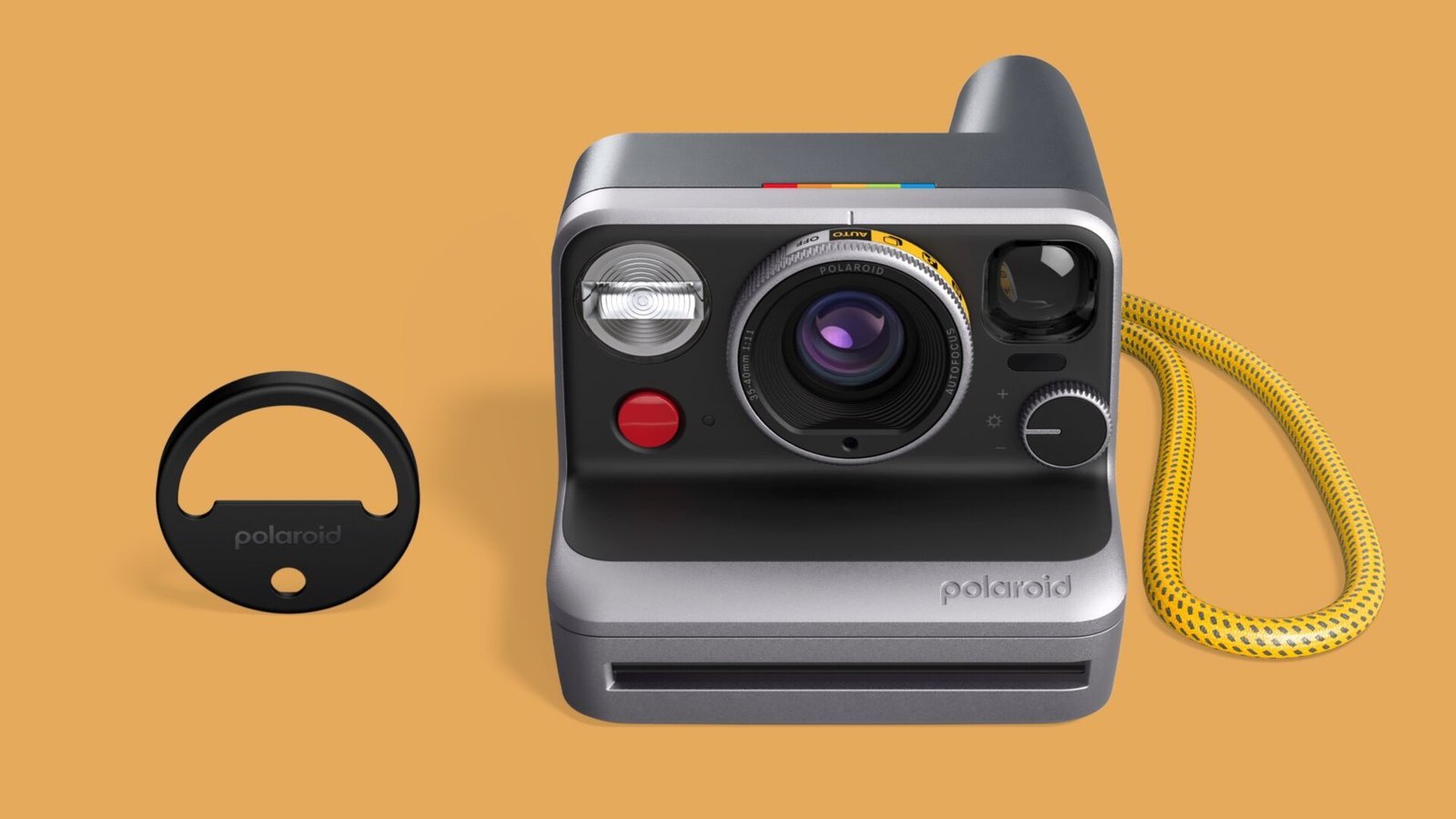
Four capture modes, set on a physical dial. Image: Polaroid
The interface is the object
The engineering centres on a detail that looks simple and reorganises the entire experience: the four modes sit on a physical dial, visible and reachable without menus or hidden settings. There is no app to pair, no screen to consult. You see the options, turn the dial and begin.
“With Mod, we wanted the creative experience to be built into the physical design of the camera.”
Much of the work, Dahlberg explains, lay in making each mode intuitive while still leaving room for the result to surprise. The camera, in her words, should encourage you to try something different every time you pick it up.
Four modes, four ways to go wrong well
Split Shot. A removable rotating cover over the lens, half of it blocked, divides the frame into two halves captured on a single print. The most geometric of the four, designed for symmetry and repetition.
Motion Freeze. It reverses the logic of conventional flash: the camera records movement first and fires the flash only at the end of the exposure, freezing the final gesture while keeping the trail behind it. The nearest thing to action photography in the instant idiom.
Double Exposure. Two captures layered on one print, blending subjects, settings or separate moments into a single composition.
Light Painting. A long exposure records the movement of light: wave a sparkler or any light source in front of the lens and it draws trails and shapes across the frame.
For straightforward pictures there is an Auto mode, with an exposure compensation dial for those who want to nudge the result lighter or darker.
Error as method
In early use, the Mod reproduces a behaviour any photographer schooled on film will recognise: learning by trial, adjusting variables by hand, accepting the imperfect result as part of the process. Indoor shots with flash come out in muted browns and greens, the classic signature of Polaroid’s chemistry. Not always beautiful, but unmistakably Polaroid.
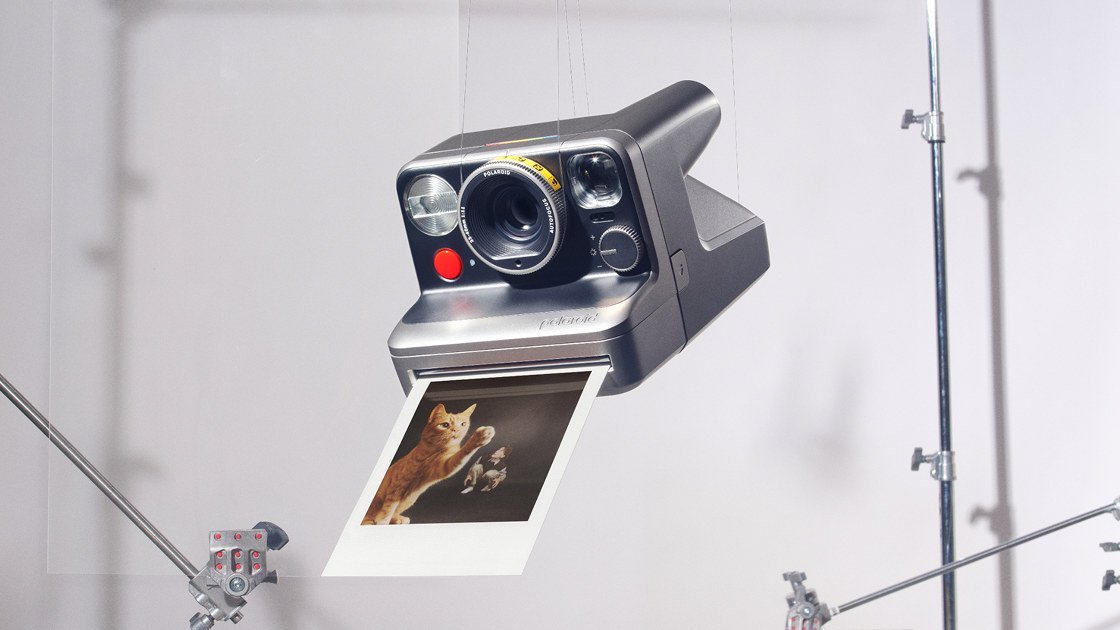
The Mod accepts the unexpected as part of the picture. Image: Polaroid
The four modes work as promised, with no learning curve that would justify a thick manual. And that controlled friction appears to be the product’s central argument. In a photographic culture used to erasing people and distractions from a frame with a single tap, the Mod proposes the opposite: to accept the unforeseen as part of the final image, rather than as a flaw to be corrected later.
Between the click and the image there is still an interval in which nothing is certain. The Mod makes no attempt to shorten it. It wagers that it is there, in the waiting and the error, that photography keeps its charm.
Details and further reading: Polaroid Mod, US$169.99, available now at polaroid.com; in selected US retailers from 6 October 2026, with wider international retail availability from early 2027. Review: PetaPixel.
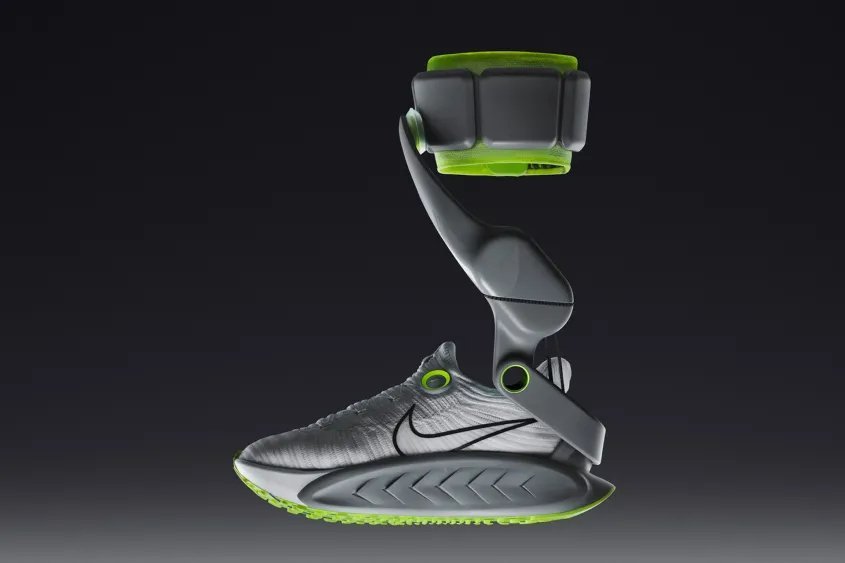
Developed with the robotics company Dephy, Nike's Project Amplify is a powered footwear system for running and walking. A year after its unveiling, it remains in testing, with a consumer launch still some years away.
Artificial intelligence has left the phone and moved into the kitchen, the bedroom and even the cat's litter box. Five recent objects suggest the domestic future is not about voice commands but about machines that learn to live alongside us.
The smartphone made everyone a photographer. A new generation of dedicated compacts, from DJI's gimbal cameras to the Camp Snap CS-Pro, argues for a device that exists for one purpose only.