Route 66 at 100: The Road from Chicago to Santa Monica, Stop by Stop
Created on 11 November 1926, Route 66 turns a hundred. Almost 4,000 kilometres and eight states between Chicago and Santa Monica Pier: the route, the icons of each stretch and the detours worth the wheel.
Some roads lead to places. Route 66 became the place.
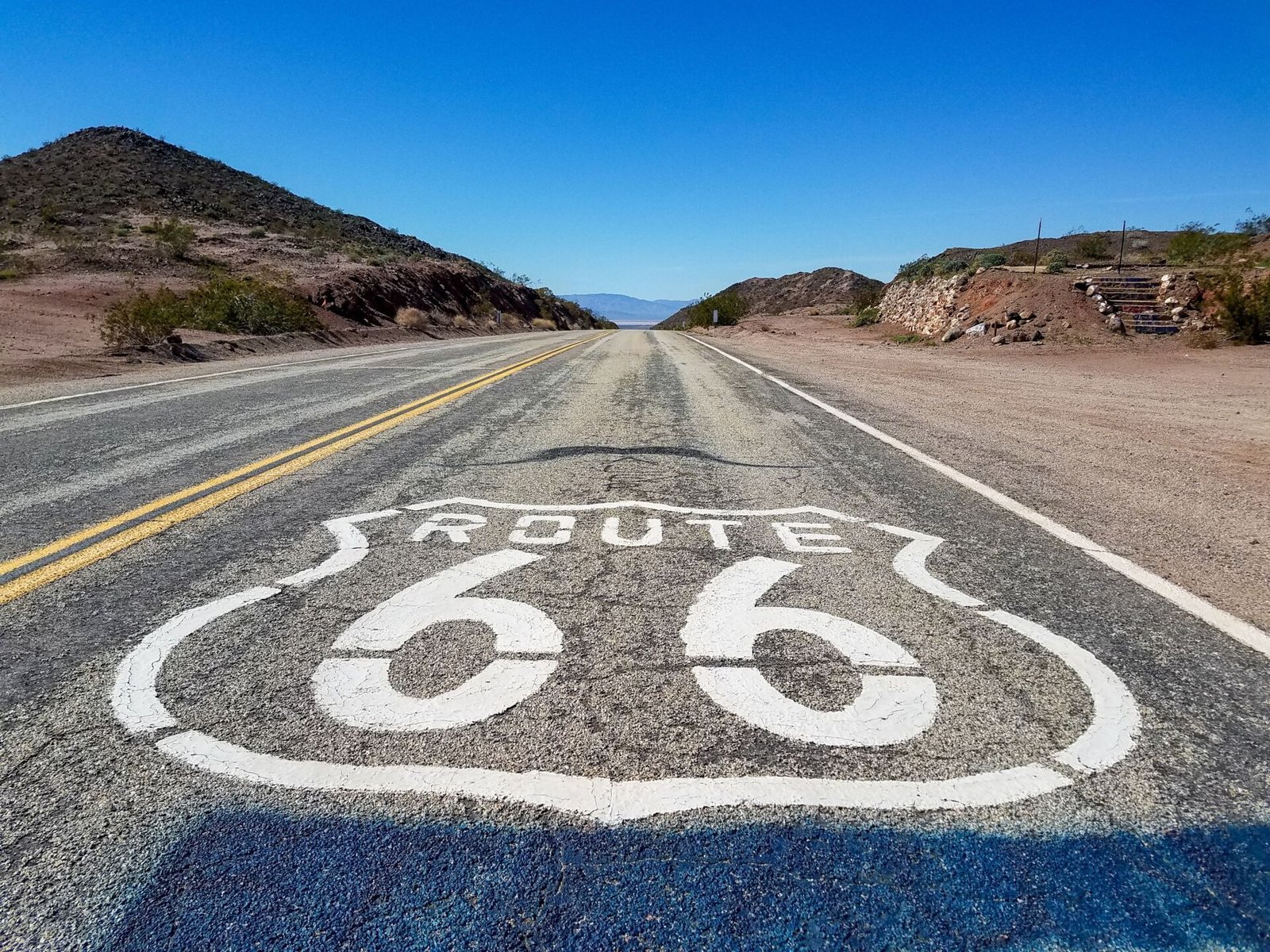
Created on 11 November 1926, the road turned a hundred last week. It runs for almost 4,000 kilometres between Chicago, Illinois, and Santa Monica, California, through Illinois, Missouri, Kansas, Oklahoma, Texas, New Mexico, Arizona and California. Along the way grew the motels, gas stations and diners that formed an aesthetic of their own, now inseparable from the American imagination. The highway officially left the federal network in 1985, but much of the original alignment is still open, and whole towns still live from it.
Route 66 is not the fastest way to cross the United States. That is precisely why it is the most interesting.
Illinois: the start
It all begins in Chicago, and it is worth arriving a few days early. The city that made architecture its signature is best understood from the water, on a boat along Lake Michigan and the Chicago River. On the road, Illinois delivers the first classic landscapes of the route, with Pontiac, home to the Route 66 Hall of Fame and Museum, and Springfield, before the descent into Missouri and the heart of the Midwest.
Oklahoma and Texas: the road that has fun
It is when the big cities fall behind that Route 66 shows its character. In Oklahoma, the Blue Whale of Catoosa, a giant blue whale beside a pond, has become one of the most recognisable images of the journey, and the Oklahoma Route 66 Museum in Clinton tells the road’s story. In Texas, outside Amarillo, Cadillac Ranch sums up the route’s eccentric spirit: ten Cadillacs half-buried in the ground, covered in layers of graffiti left by generations of travellers. On Route 66, stopping does not interrupt the journey. It is the journey.
New Mexico and Arizona: the desert and the detours
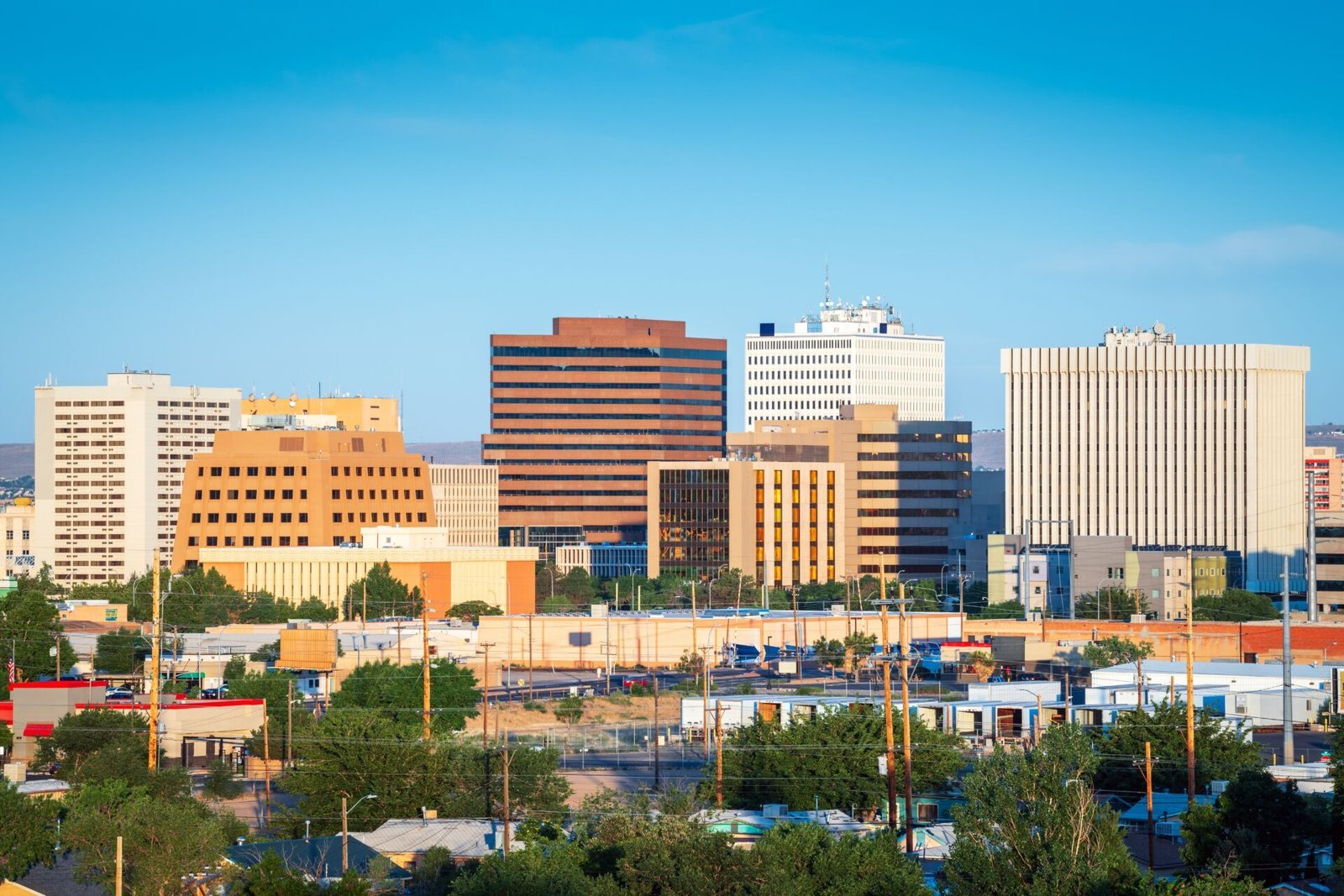
In New Mexico the landscape changes and the desert takes over. Tucumcari and Albuquerque keep much of the classic aesthetic, with old motels and neon signs. In Albuquerque, where Central Avenue follows the historic alignment, it is worth leaving the car for a few hours and seeing the region from above, by balloon.
ALBUQUERQUE, NEW MEXICO · Image courtesy of Civitatis
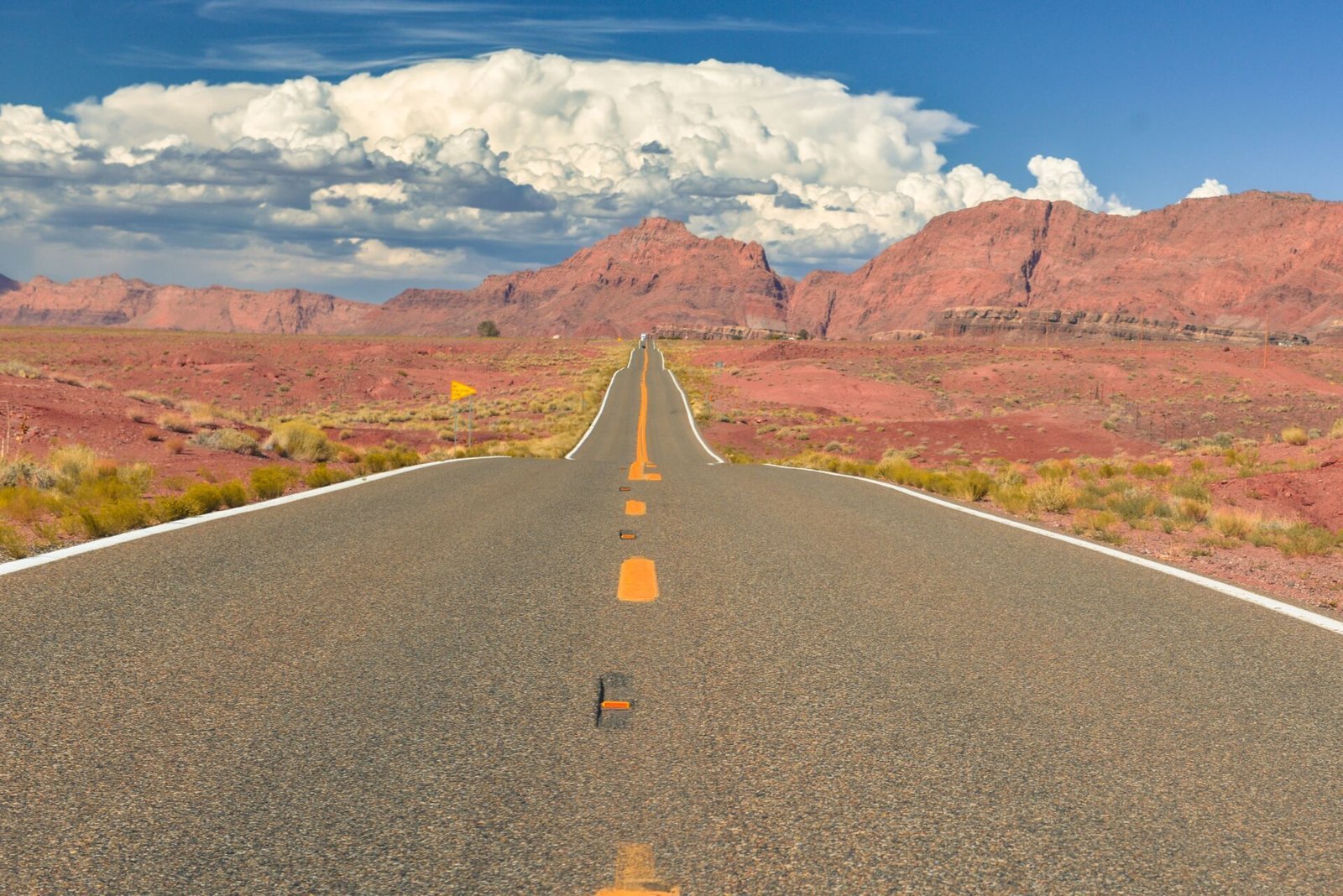
Arizona holds some of the best-known stretches: Holbrook, Winslow, Flagstaff, Seligman and Kingman, as well as Petrified Forest National Park, the only national park in the United States that preserves a section of Route 66. Here the road is also made of detours. One leads to Page, base for Antelope Canyon, Horseshoe Bend and Lake Powell, which can be explored by kayak. Another leads to the Grand Canyon, not part of the historic alignment but close to Flagstaff and Williams, and on almost everyone’s itinerary.
ON THE WAY TO THE GRAND CANYON, ARIZONA · Image courtesy of Civitatis
The Las Vegas detour
Las Vegas is not on the original alignment either, but it has become the most popular detour in the American West. After days between small towns and empty roads, the neon of the Strip is an almost complete change of scene, and in November, with the Grand Prix in town, the Arizona stretch is only a few hours’ drive away.
California: the end of the trail
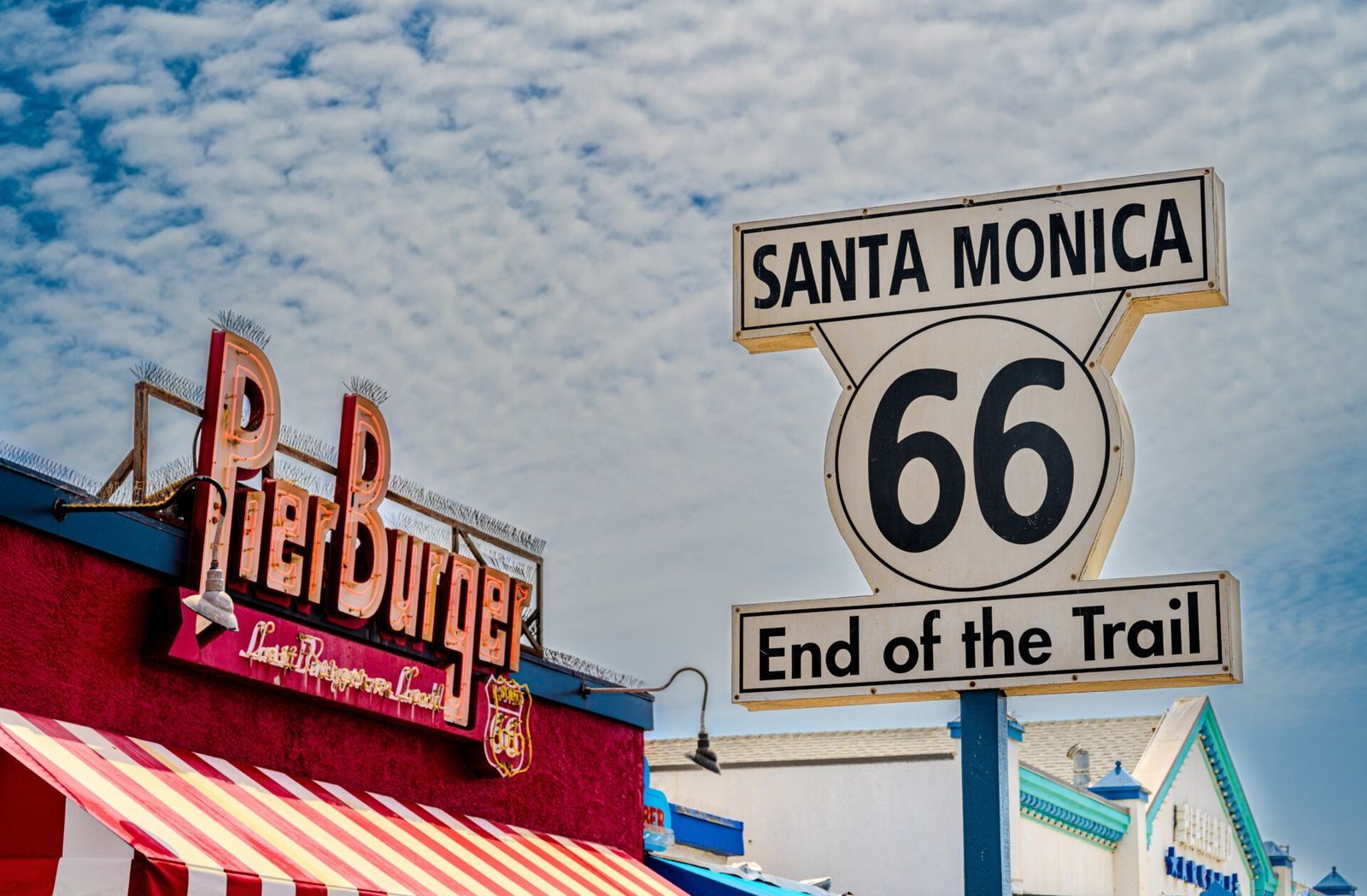
The last stretch crosses the Mojave Desert to Los Angeles, with stops tied to the road’s history, such as the site of the first McDonald’s in San Bernardino. The finish faces the Pacific: the End of the Trail sign on Santa Monica Pier is the photograph everyone who completes the route comes for.
THE END OF THE TRAIL, SANTA MONICA · Image courtesy of Civitatis
How to do it
The road asks for time. Those who try to finish it in a week pass the stops without stopping. Our advice is to allow at least two weeks, choose a car that is comfortable on long straights, sleep in at least one classic motel for the pleasure of it, and leave free days for the detours, which tend to become the best memories.
A hundred years on, Route 66 keeps teaching the same lesson, now to a generation that travels with GPS: the most memorable place on a journey is rarely the destination. It is usually somewhere along the way.
The details Route 66: created 11 November 1926 Length: almost 4,000 km Start: Chicago, Illinois · Finish: Santa Monica Pier, California States: Illinois, Missouri, Kansas, Oklahoma, Texas, New Mexico, Arizona and California Stops mentioned: Route 66 Hall of Fame and Museum (Pontiac), Blue Whale of Catoosa, Oklahoma Route 66 Museum (Clinton), Cadillac Ranch (Amarillo), Petrified Forest National Park Also read: Las Vegas Grand Prix 2026, the race-week guide
Four Seasons, Aman, Maybourne, Belmond and Mandarin Oriental now sell the journey as part of the stay, from helicopter transfers into London to 23-day circumnavigations at $238,000 a head. Who flies, why, and what is really being bought.
Airlifted by helicopter to the summits, monumental bronzes by Coderch & Malavia turn Courchevel's slopes into an open-air gallery, with Arman back in 1850.
Travel specialists explain how to plan a European winter under a strong El Niño: culture-rich cities, Lapland for snow and high-altitude Alpine resorts.
The space of a home with the service of a hotel: on islands, beaches and ski slopes, the condo hotel has become the choice for stays of a week or more.
THE CURATED GLOBE / FROM THE EDITORS
Good stories. Better company.
A considered selection of people, places and ideas from WAYFARER Edition, delivered to your inbox.
Welcome aboard. Your first letter is on its way.
We could not complete your subscription. Please check your email and try again.