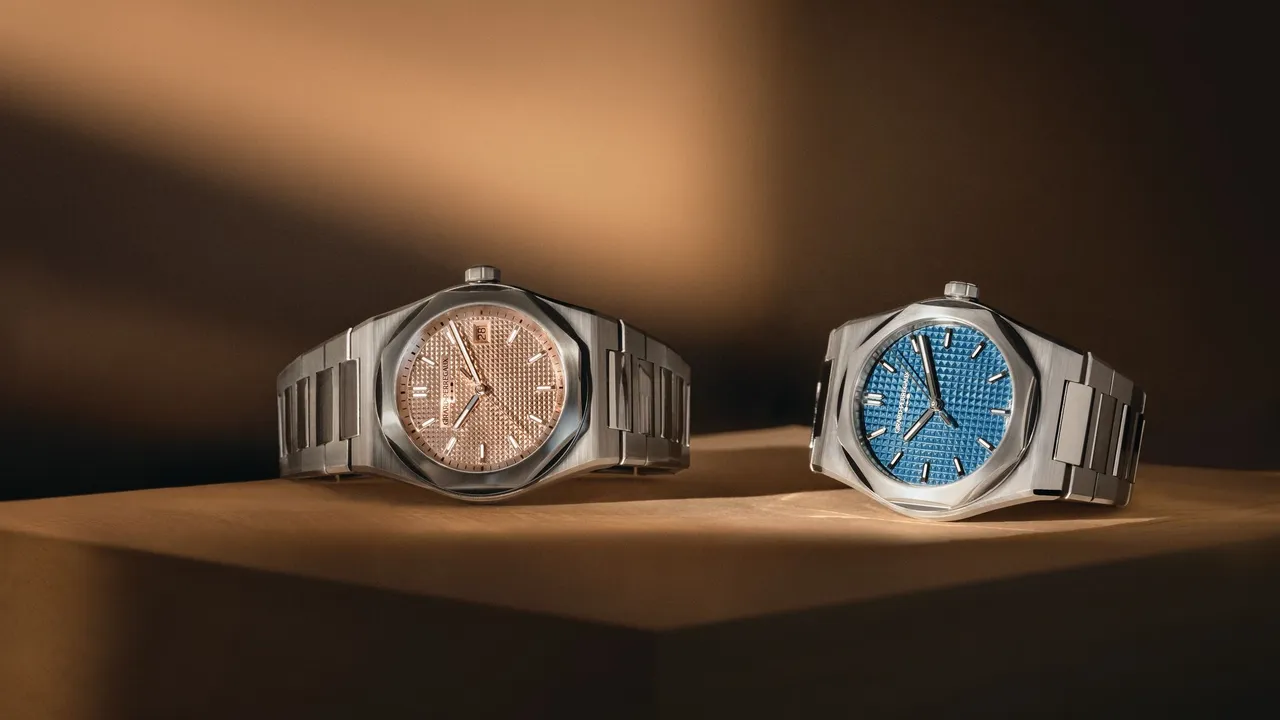
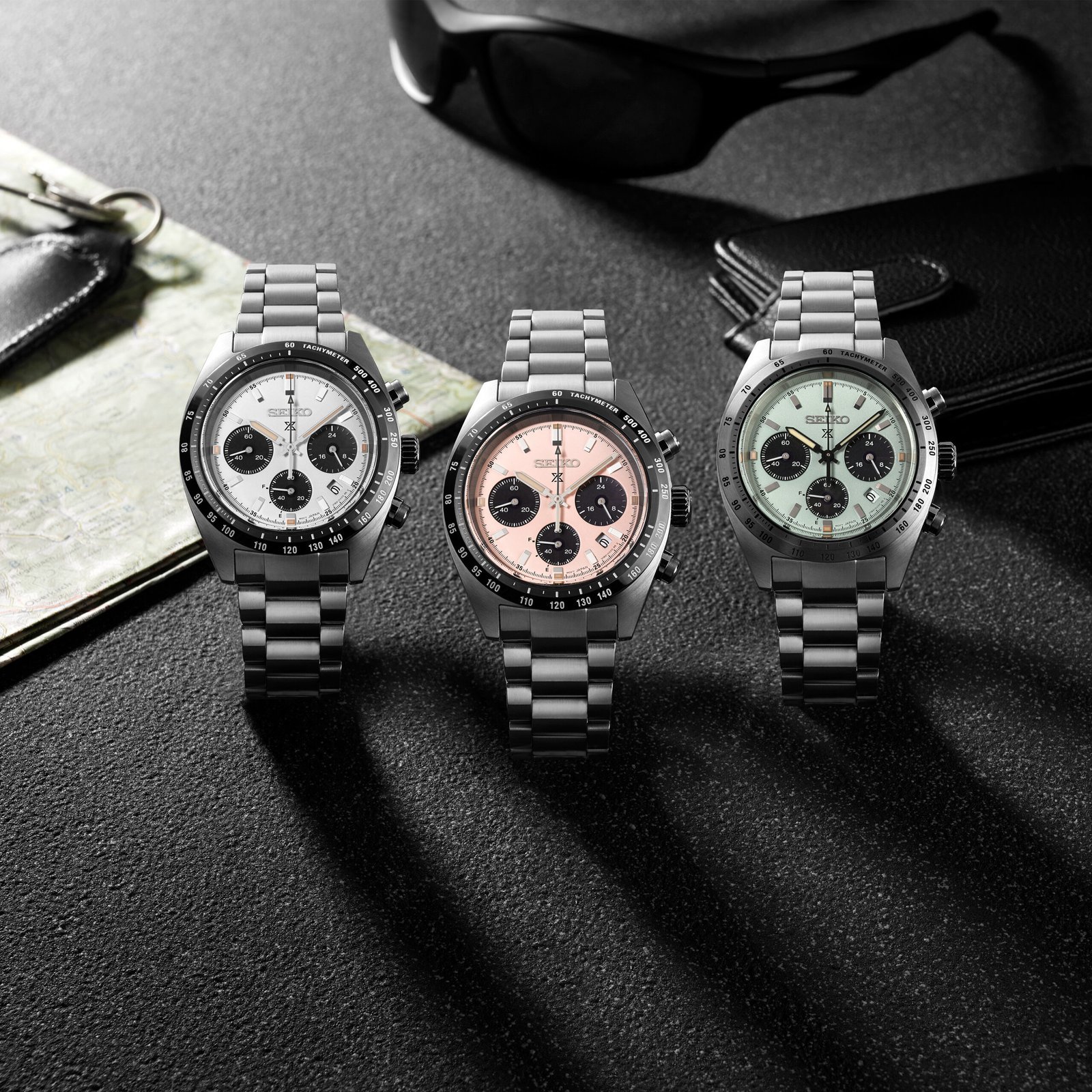
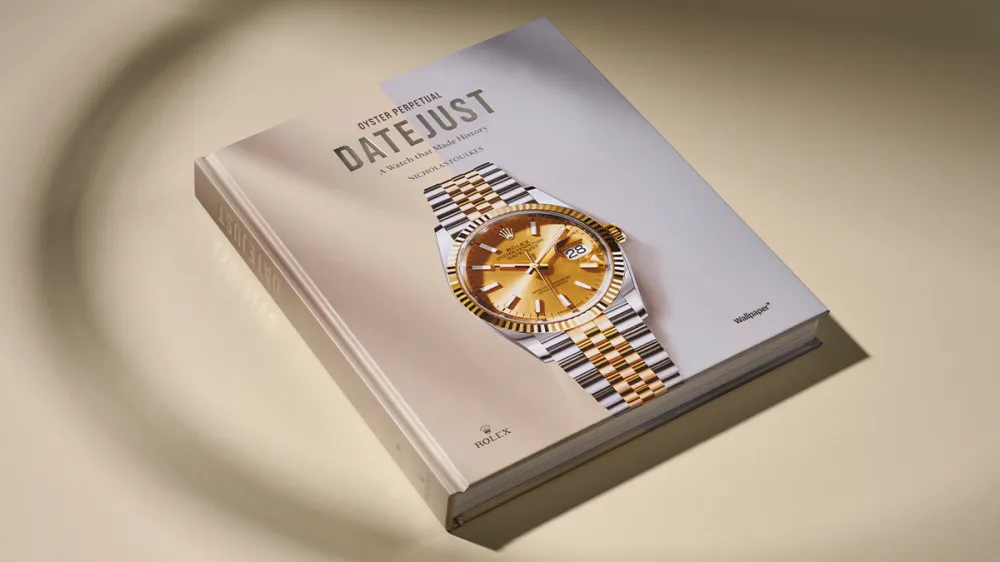
A watch can be introduced under exhibition lighting and then understood differently outside the stand. Summer events place the same object among music, travel and social encounters, where the relationship with its wearer becomes harder to separate from the product.
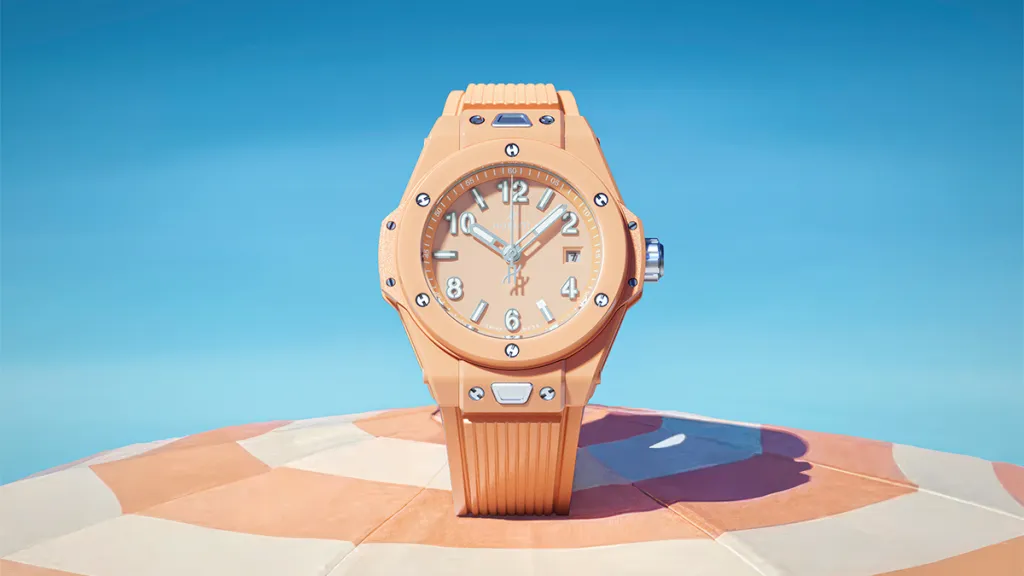
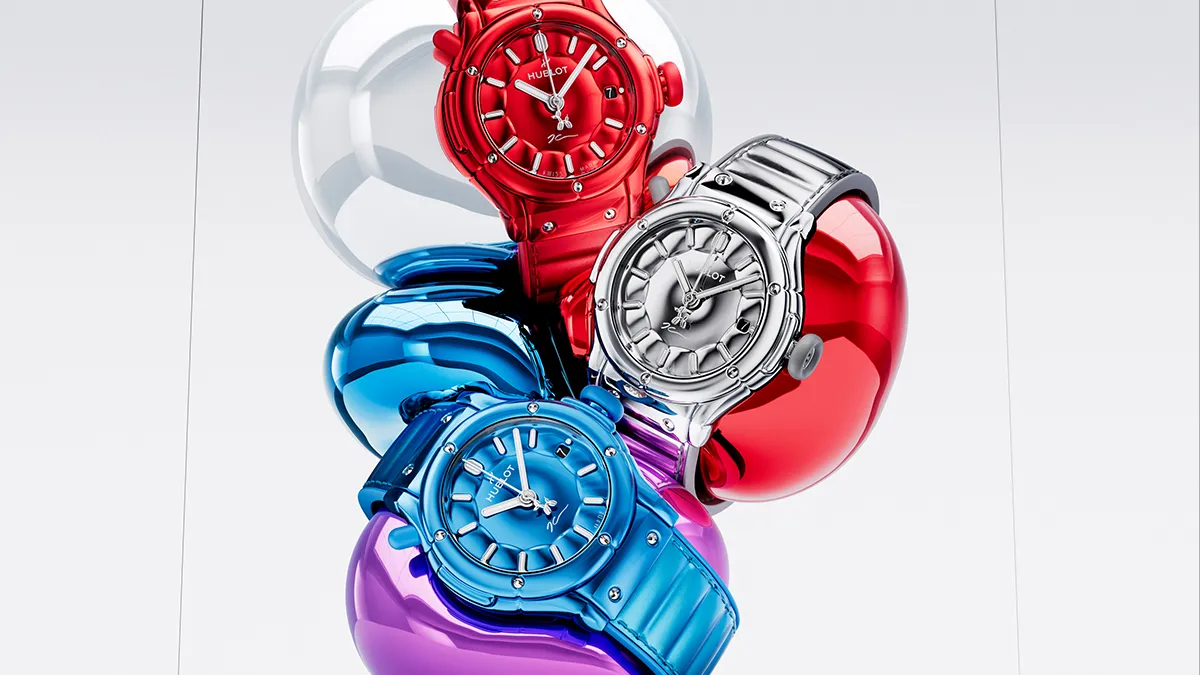
The original account uses a Hublot Big Bang celebration as an example of that change in presentation. It is an observation about formats, not evidence that summer has overtaken every other season in sales or launch volume.
A different setting for attention
The northern summer brings festivals, regattas and motor-racing gatherings. A brand can enter those settings with a product launch or an invitation programme, gaining a context less formal than the principal Swiss fairs.
The watch is still a designed and engineered object. A performance or dinner may make the encounter memorable, but it does not replace the need to examine construction, function and the way a piece sits on the wrist.
Private collections in the conversation
Individual collectors also introduce a different kind of display. An assembly built around one person’s interests can reveal a sustained preference, an unexpected juxtaposition or a period overlooked in a current collection.
That is not the same as an institutional exhibition. Access, documentation and the owner’s purpose differ. The useful contribution is a personal route through watches rather than an automatic claim of broader authority.
More than one calendar
Watches and Wonders and other formal presentations retain their place. Summer adds another setting in which brands and collectors can observe how a watch is encountered outside a controlled display.
The strongest event allows both parts to remain visible: the cultural occasion that brought people together and the object that gave the occasion a subject. A season can change the stage. It does not remove the work inside the watch.
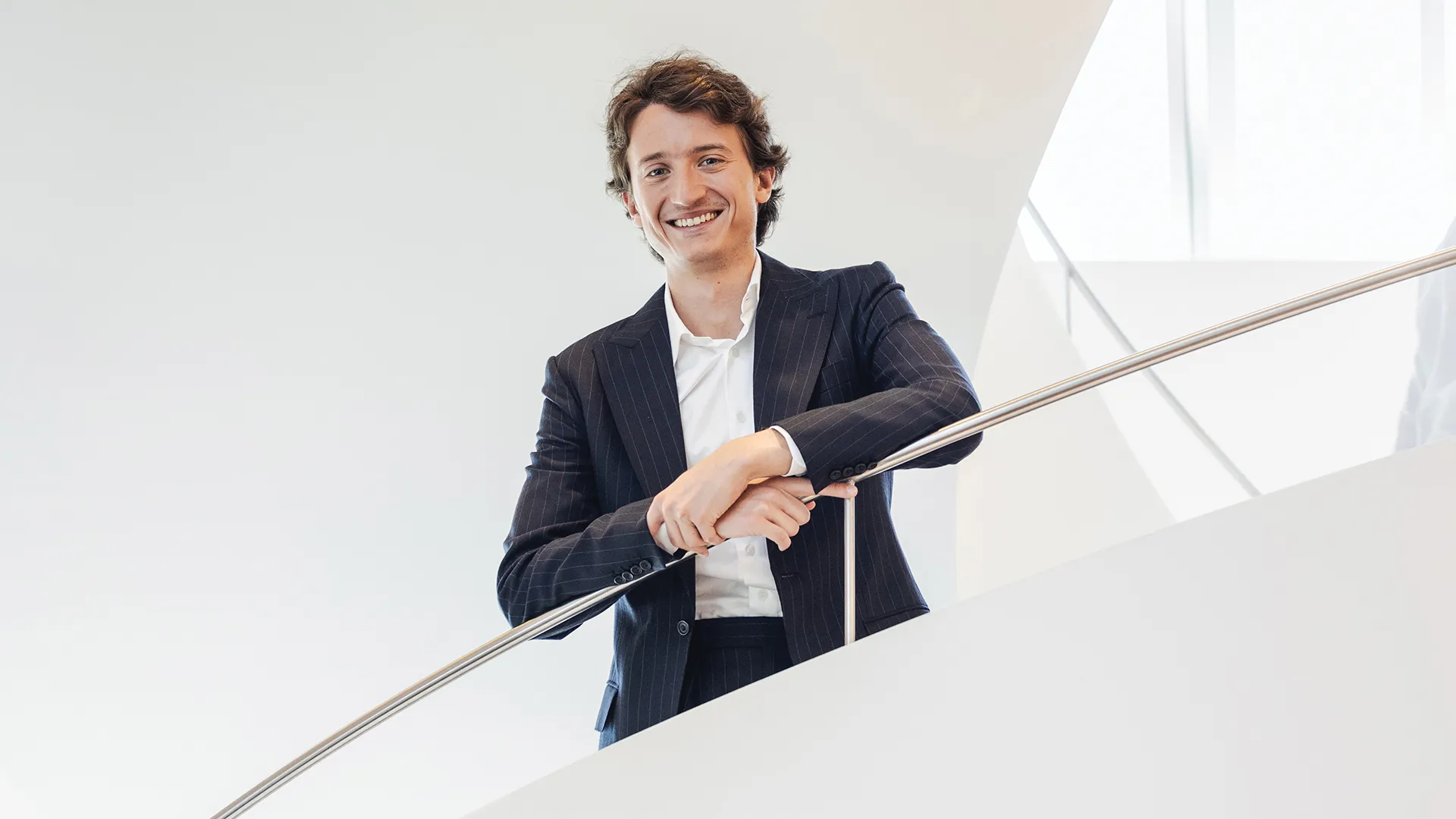
Bernard Arnault's youngest son traded volume for craft and made Louis Vuitton watches a serious subject among collectors. A portrait of an executive who has learned to measure success in years rather than quarters.
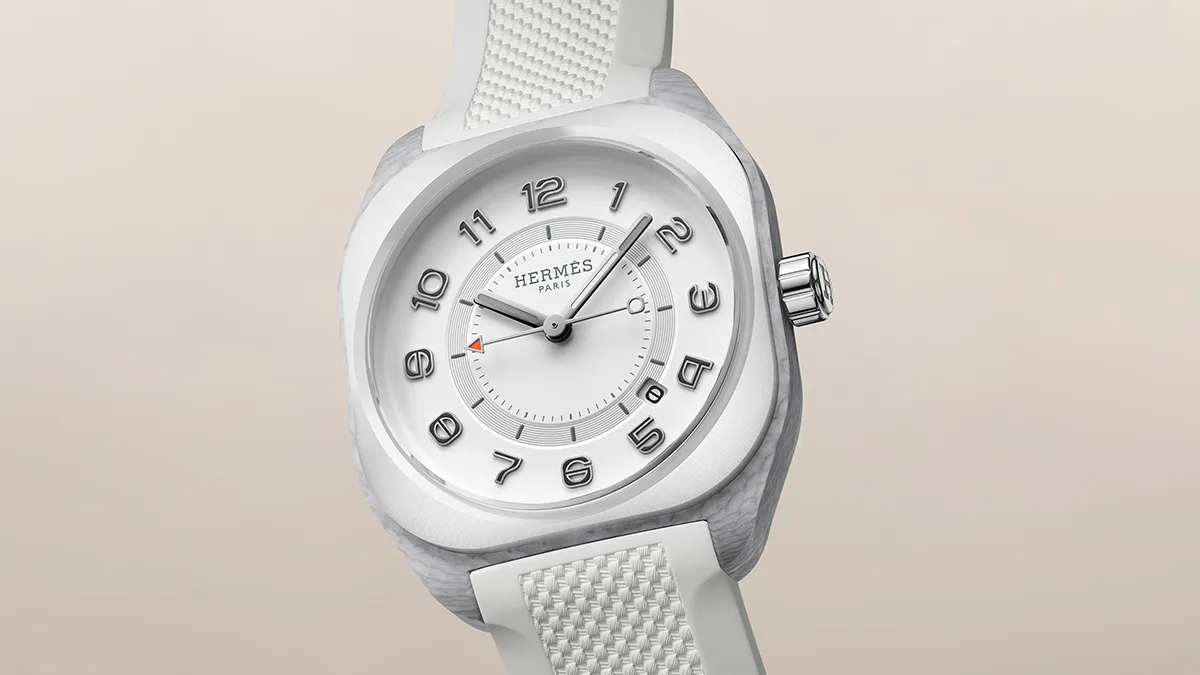
Almost half a century after its first watch, Hermès is still building its legitimacy in fine watchmaking. Laurent Dordet and Philippe Delhotal on the patience behind the H08 and the prize-winning Le Temps Suspendu.
Maurice Lacroix, Frederique Constant, TAG Heuer and Tissot are returning to solar quartz, with a decade between battery changes and photovoltaic cells hidden beneath translucent dials or the crystal itself.