BMW, Mercedes and Volkswagen Face Their Hardest Test as Chinese Brands Move on Europe
Profits in China have shrunk, Chinese marques are pricing above German rivals in Germany itself, and analysts speak of the worst crisis in the industry’s recent history.
For decades the German car was the standard against which the world measured itself. Now it is the one looking sideways.
BMW, Mercedes-Benz and the Volkswagen group, owner of Audi and Porsche, are going through what analysts already call the most severe crisis in their recent history. The profits that once seemed guaranteed in China, where all three built a large part of their margins, have shrunk in short order. At the same time, Chinese brands are advancing on Europe with technology-rich saloons and SUVs at aggressive prices.
Part of the cause is regulatory. European Union emissions rules foresee the end of new combustion-car sales in 2035, which makes electric almost the only path, barring adjustments still under negotiation among member states. Since those rules were approved in 2023, Europe’s lag in battery technology and production efficiency against Chinese competitors has become plain.
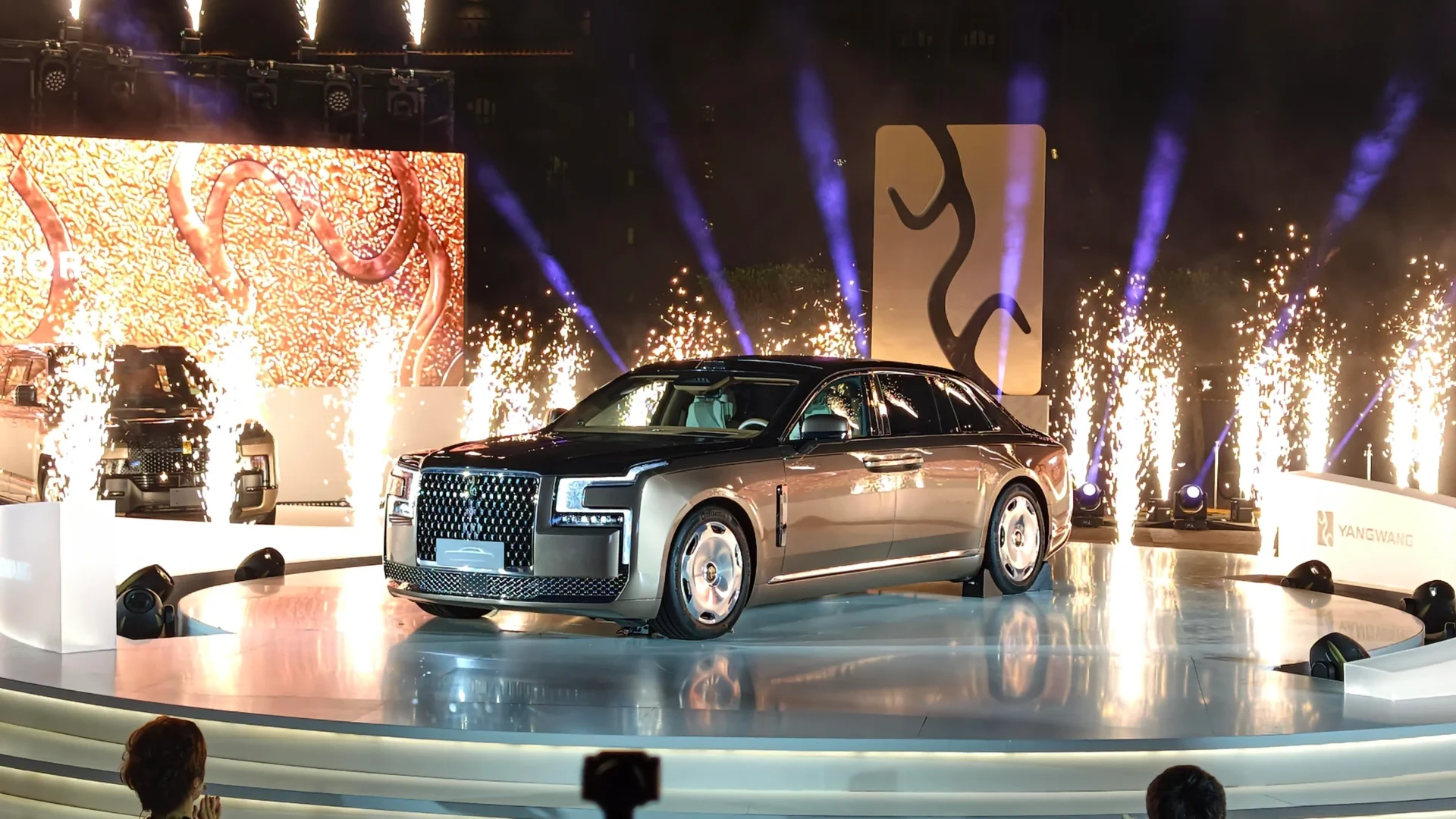
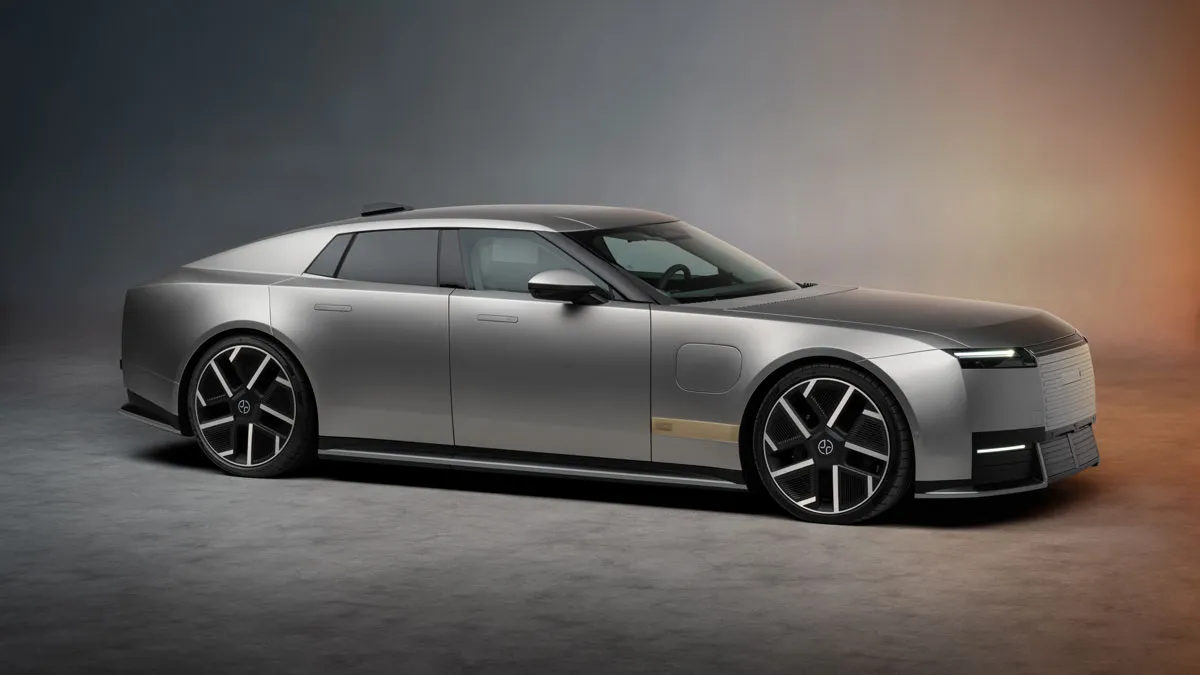
Yangwang, BYD’s flagship marque, is aiming at Rolls-Royce and Bentley territory · Photo: courtesy
The advance in numbers
Forecasts vary but point the same way. The French consultancy Inovev expects the Chinese share of the European market to rise from 7% in 2025 to 15% in 2035. Roland Berger estimates that at least 200,000 jobs in the German automotive sector could disappear by the end of the decade, a direct consequence of falling profitability in China.
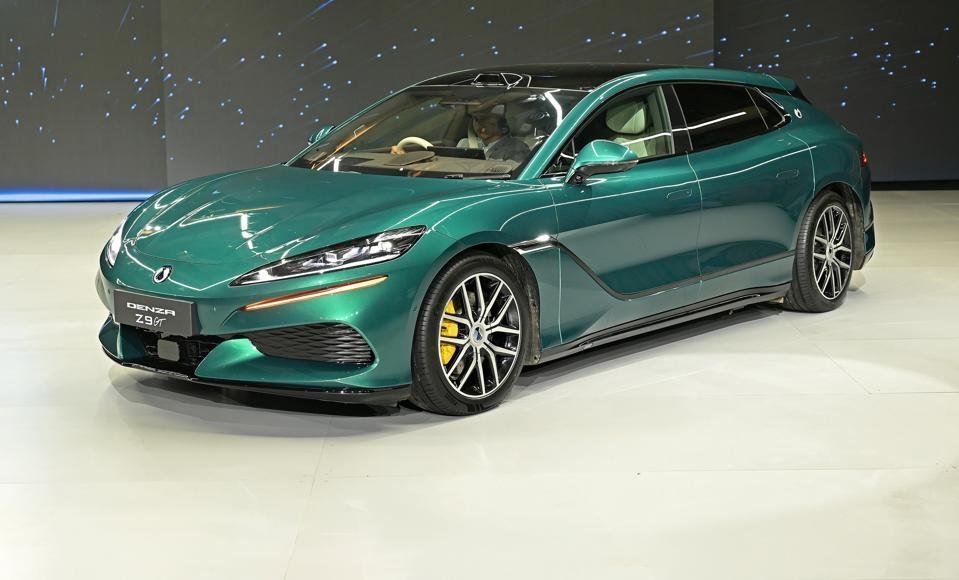
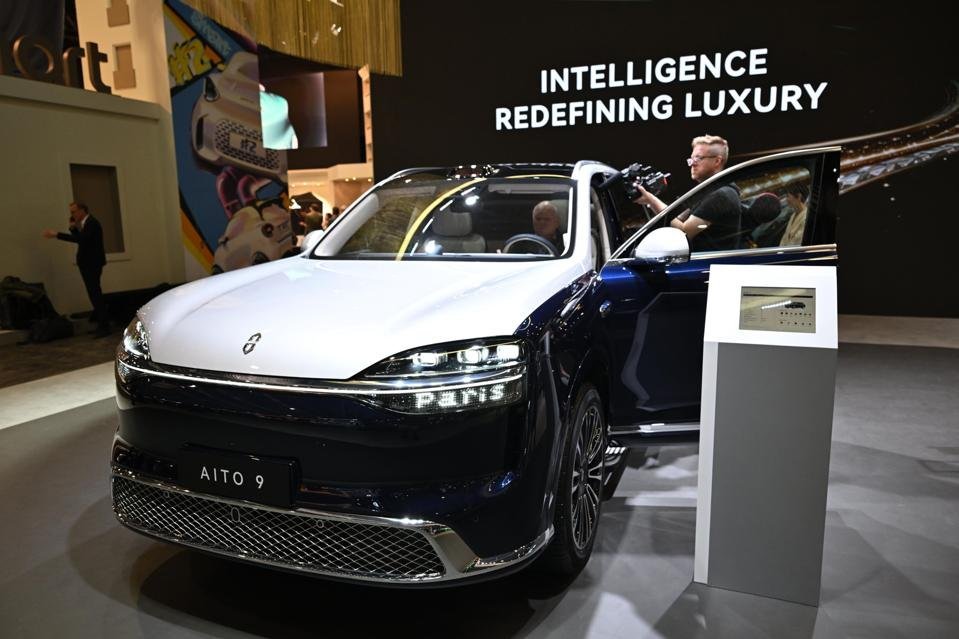
Xpeng, Zeekr, Aito, Nio and Denza, BYD’s premium arm, are betting their models will find room even among Europe’s most brand-loyal buyers. The arithmetic is simple: a Denza Z9 GT sold well below a Porsche Panamera tests the limits of loyalty. Above them, Yangwang, also from BYD, aims at Rolls-Royce and Bentley territory, though it has yet to build, in the Western imagination, the aura that segment demands.
Denza Z9 GT, the electric shooting brake with which BYD challenges Porsche and Mercedes · Photo: courtesy
Zeekr charges more, on purpose
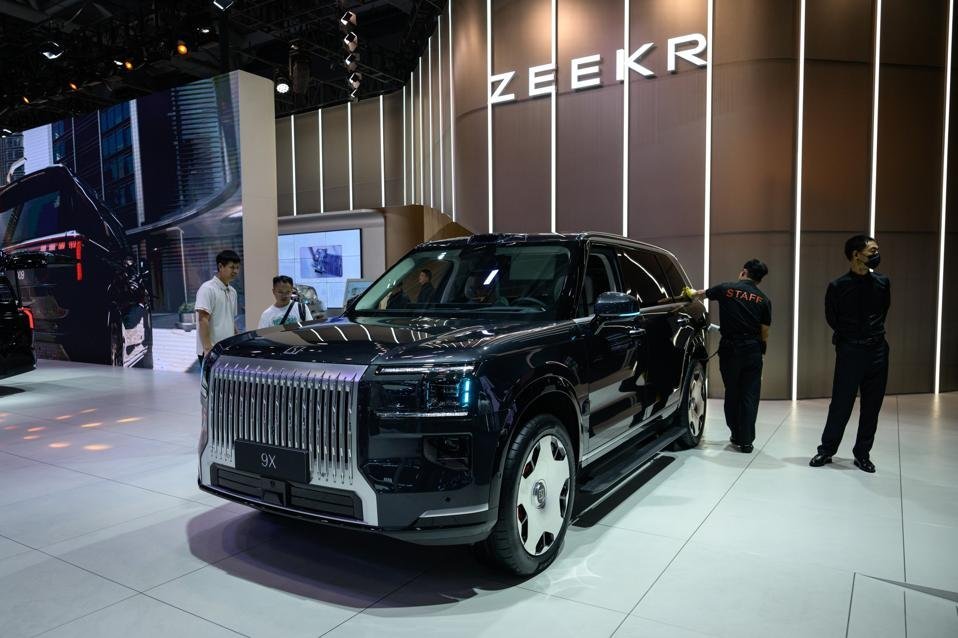
Zeekr, part of the Geely group, has flipped the logic. Rather than selling cheap, it priced the 9X plug-in hybrid SUV above its German rivals in Germany itself: €119,500, against €106,500 for the BMW X7 and €102,700 for the Mercedes GLS. “Our perspective is very clear. We offer more performance, more finish and more technology. That is exactly where traditional brands face their biggest challenge,” Lothar Schupet, Zeekr’s CEO for Europe, told Automotive News at the Paris Motor Show.
Zeekr 9X, priced above the BMW X7 in Germany · Photo: courtesy
Cuts at home
Meanwhile, according to reports published in June, the Volkswagen group is studying cuts that could reach 100,000 jobs worldwide, along with plant closures. BMW has also announced job reductions in Germany. And Mercedes-Benz, close to 20% of whose capital is held by Chinese shareholders, has suspended new investment in its German plants and admits it may close sites if costs do not fall.
“The German automotive industry is facing the biggest crisis in its history. Profit warnings, job cuts: we see a pattern repeating across carmakers and suppliers. What more has to happen for the situation to be taken seriously?” asked Professor Ferdinand Dudenhöffer, of the Center for Automotive Research, after the Mercedes announcement.
Too many models
HSBC acknowledges weak results and little visibility for 2027 but avoids alarm: in its view, restructuring is already starting to ease cost pressure. Dudenhöffer is more pessimistic and points to a structural problem, an excess of variants.
“German premium manufacturers are drowning in model diversity. By offering an enormous range of versions, engines and equipment, they have covered even the narrowest niches. The electric transition has widened that diversity further, to the point where the portfolio has become almost impossible to navigate,” he wrote.
The counterpoint, he argues, lies with Tesla and younger Chinese makers such as Xiaomi: few models, highly automated plants, techniques such as giga-casting, standardisation and low cost. “Put simply, high standardisation is beating expensive diversity,” he concluded.
Without a fundamental overhaul of the cost structure in Germany, our automotive industry will simply wither away.
Tariffs that did not change the game
Too much variety makes everything dearer: smaller component batches, costlier logistics and spare parts, more complex lines. European tariffs on Chinese electric cars have done little to change the picture and have shown, indirectly, how easily these brands work around barriers. The support package for the industry under discussion in Brussels is still expected to take months to come into force.
Aito 9, one of the Chinese cars in the spotlight at the latest Paris Motor Show · Photo: courtesy
Dudenhöffer calls for realism from the unions and seriousness from politicians. The line above, with which he closed his analysis, sums up the size of the stakes.
The German car is still the benchmark. The question now is for how long it will be able to set the price of that benchmark.
In numbers Zeekr 9X in Germany: €119,500 BMW X7: €106,500 Mercedes-Benz GLS: €102,700 Chinese share in Europe: 7% in 2025, 15% in 2035, according to Inovev Jobs at risk in the German sector by 2030: at least 200,000, according to Roland Berger
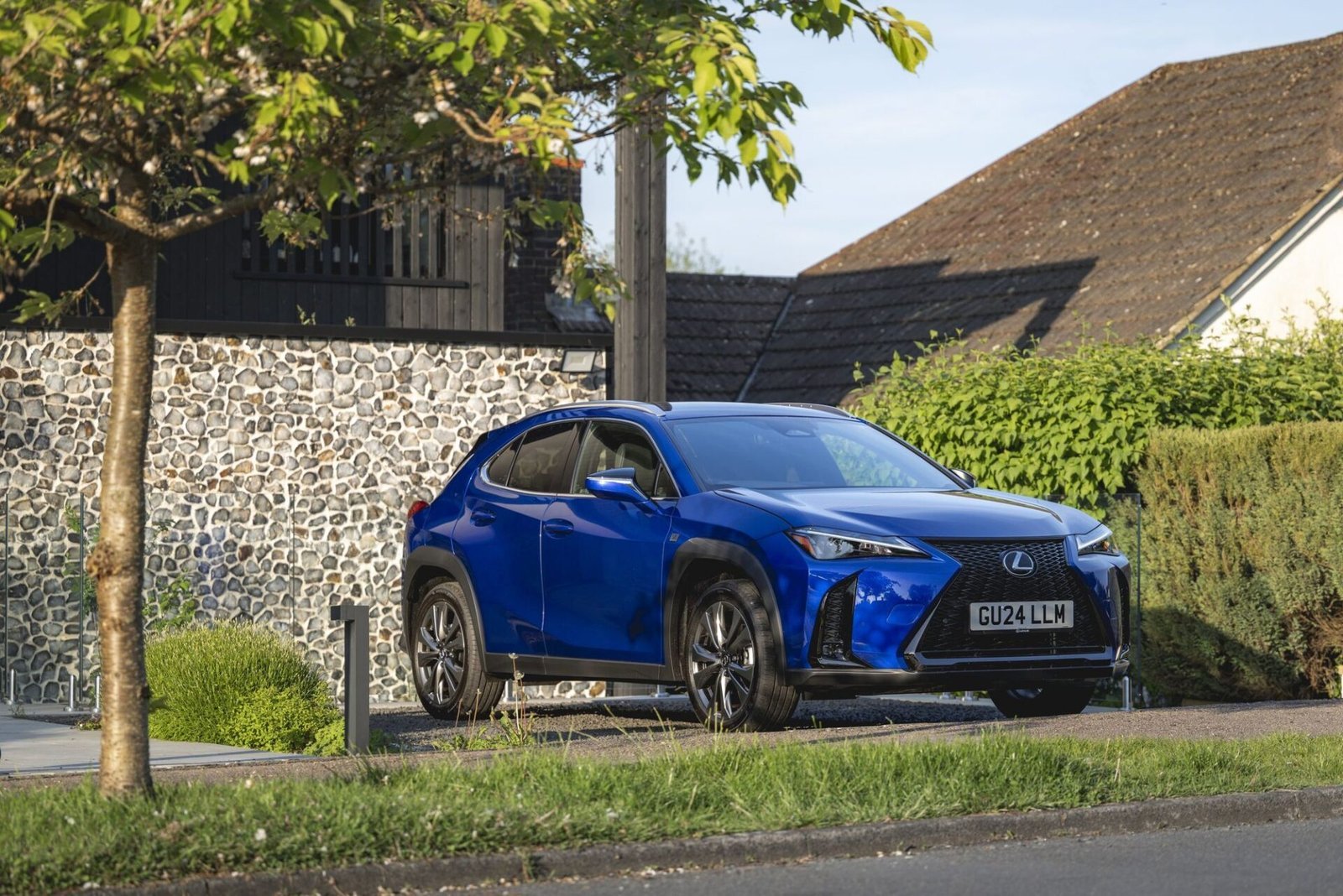
While the segment raised its roofline, Lexus kept the UX at 1.52 m tall, with a 198 PS hybrid that needs no plug. It uses less fuel in traffic than on the open road, and sends the bill to the rear seat and a 234-litre boot. A nominee at the 2026 RACER Creator Awards.
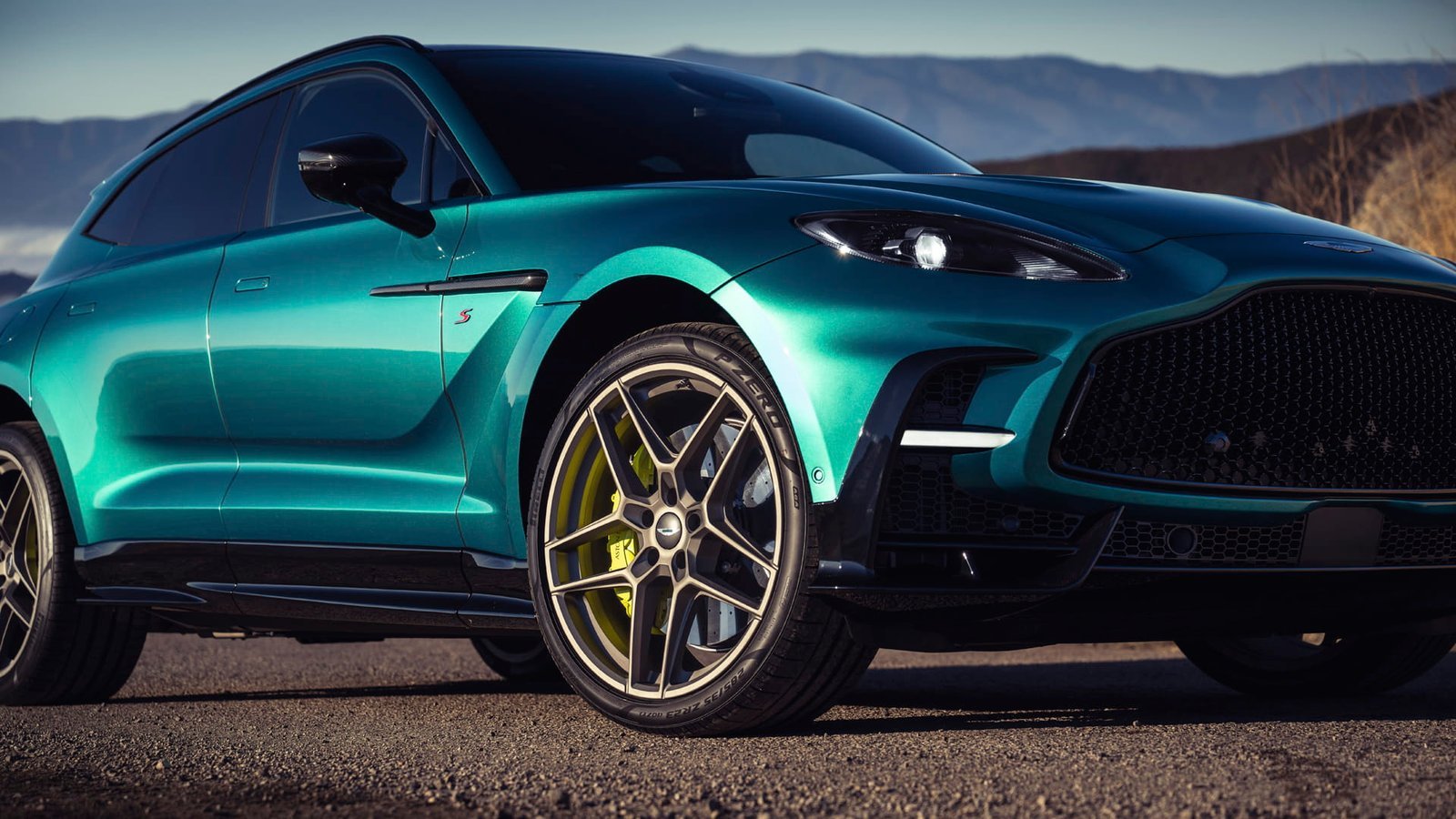
With a 727 PS twin-turbo V8 and a face borrowed from the brand's sports cars, the DBX S brings Aston Martin's temperament to an SUV made for everyday life.
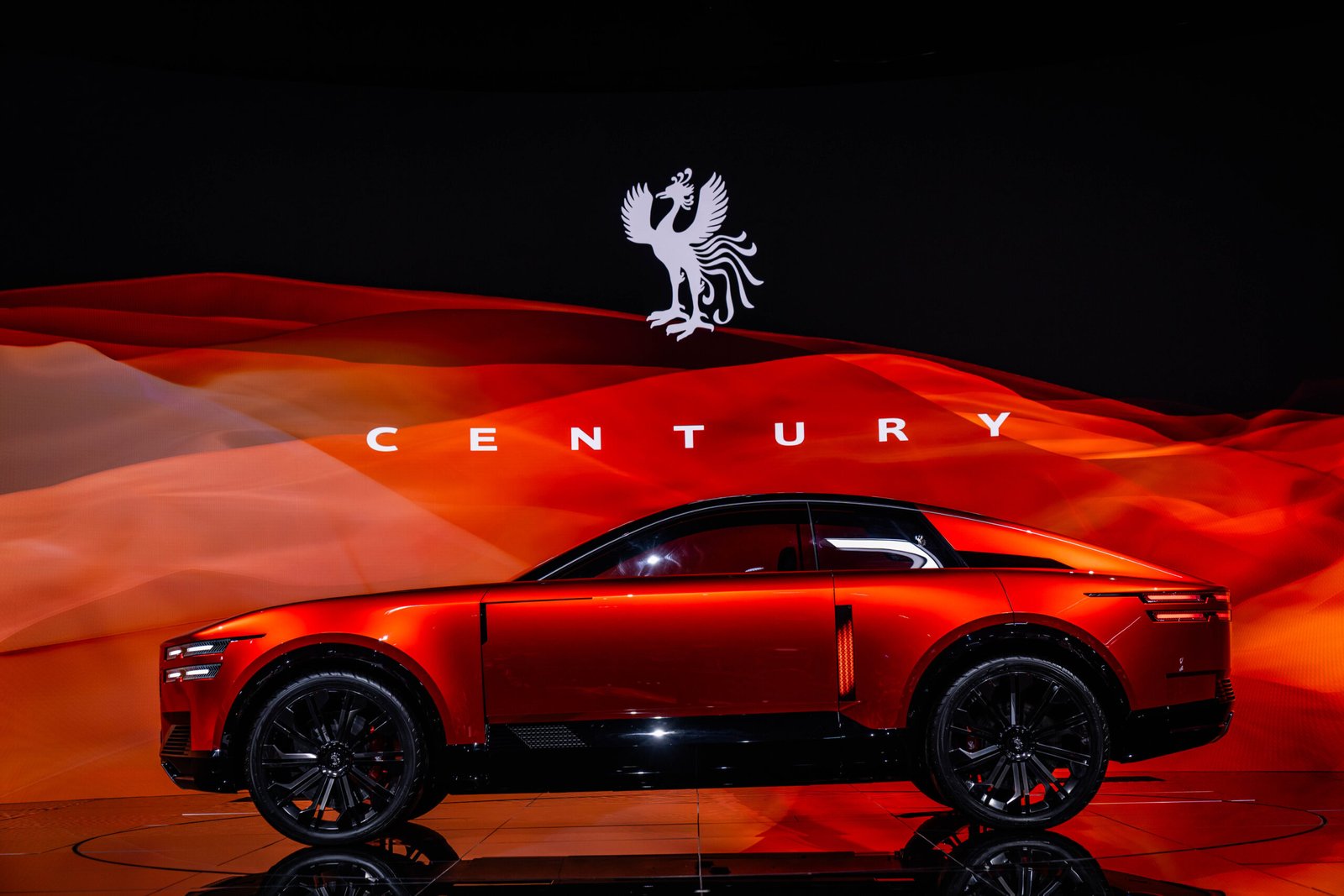
For almost sixty years it carried Japan’s executives without seeking attention abroad. Now Toyota is turning Century into a brand of its own, built on Japanese craftsmanship and the rear seat.
Revealed in New York, the Type 01 is the first production car of Jaguar's reinvention: three motors, more than 1,000 hp, a 118 kWh battery and a starting price of $130,500. It was never meant to please everyone.
Unveiled in Geneva on 11 March 1971, Marcello Gandini's Countach grew out of Ferruccio Lamborghini's wish for the perfect grand tourer and became the most radical shape the automobile has known.
THE CURATED GLOBE / FROM THE EDITORS
Good stories. Better company.
A considered selection of people, places and ideas from WAYFARER Edition, delivered to your inbox.
Welcome aboard. Your first letter is on its way.
We could not complete your subscription. Please check your email and try again.