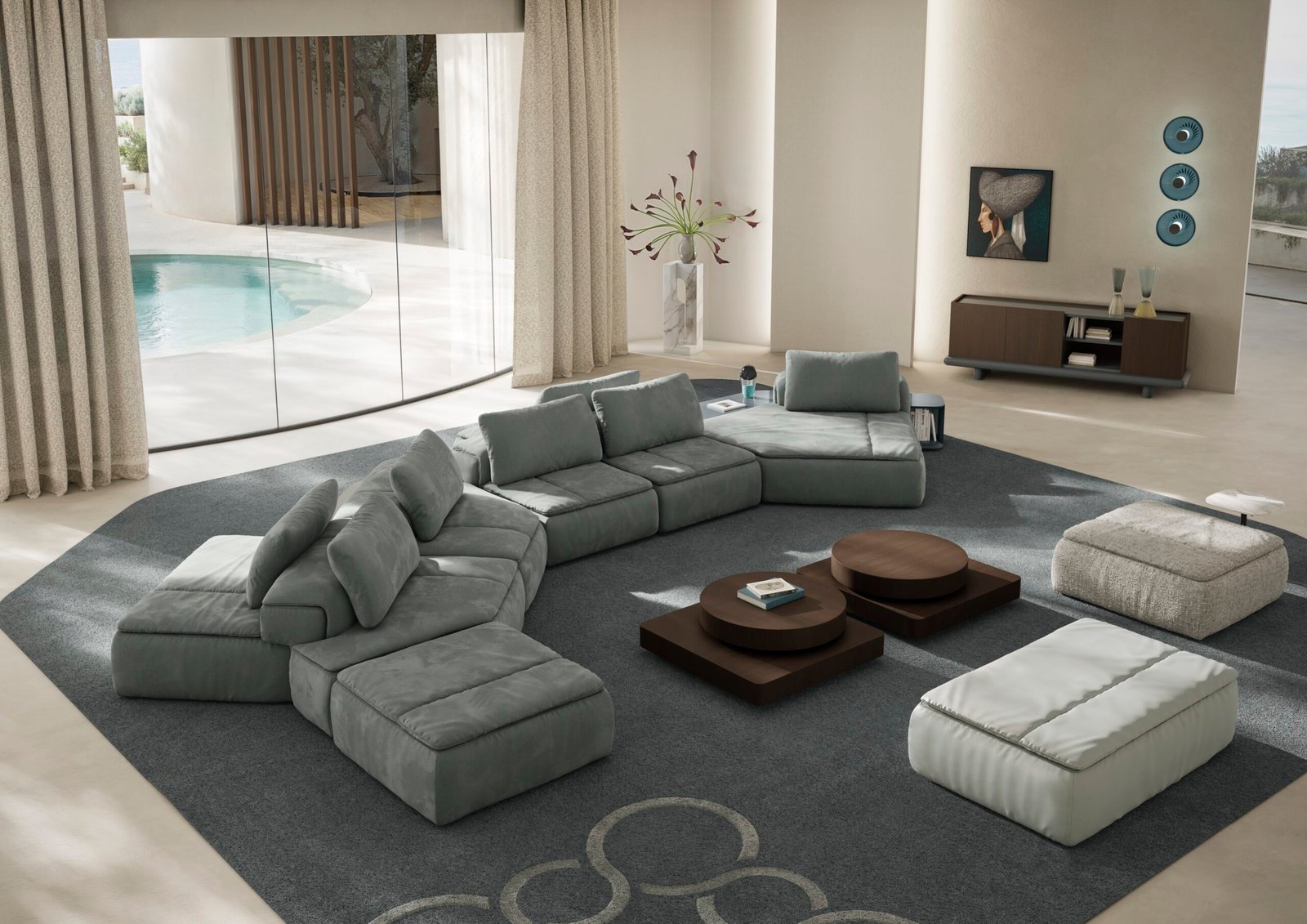
A sofa placed against a wall offers one clear direction. Andrea Steidl’s Amama for Natuzzi Italia makes that direction less fixed. A double-sided island can occupy the centre of a living room, giving the surrounding space more than one front.
The project featured in the April 2025 Milan presentation under the theme Rooted in Harmony. That language connected the company’s Puglian identity with a broader proposal for domestic interiors. The useful part of the proposition is not the abstract promise of harmony, but the relationship between seating and movement.
A system rather than a single outline
Natuzzi describes Amama as a total-living project with a double-sided sofa at its centre. Individual modules can also stand alone, and integrated complementary pieces extend the system. Thin, slightly firmer seat cushions rest on a softer base.
The existing Milan account recorded shelves, tables and storage working alongside upholstered elements. Those components make the sofa a way of organising the room, rather than an isolated object with accessories added afterwards.
A central position invites a practical design question: what happens on the other side? A seat facing a window may share its back with another facing a conversation area. The arrangement no longer assumes that one surface must be hidden against the perimeter.
Leave space for movement
Modularity is not useful simply because many combinations are possible. The relevant combination is the one that leaves a credible route through the room, gives tables a purpose and permits people to sit without obstructing one another.
A floor plan should therefore come before a preferred configuration. Consider doors, windows, access to storage and the relationship with other chairs. A double-sided piece can open up a large room, but placing too much furniture at the centre can also compress circulation.
Steidl’s approach is worth reading at that scale. The design moves between a cushion, a module and a domestic layout. Its value cannot be settled by the silhouette alone.
Material is a decision, not a slogan
The manufacturer offers leather and fabric coverings, while noting that availability varies by country and product. A photograph of one configuration is not confirmation that every finish is offered in every market.
Request the dimensions and applicable covering options for the selected arrangement. The difference between a softer base and a firmer cushion is also something to assess in person; it should not be converted into an untested claim about health or universal comfort.
Amama’s name is a palindrome. The more substantial reversal occurs in the plan: a sofa becomes a centre around which the room can be read from several directions. That is a specific design idea, with consequences to test against a real interior.
An island, rather than a wall
A double-sided sofa changes where a room can place its centre. Seating no longer has to face in one direction with its back treated as a surface to conceal. Amama’s island arrangement allows two sides of a space to remain active, making the relationship between people, circulation and adjacent furniture part of the composition.
The shelves, tables and storage complicate that idea productively. They introduce places for an object or a book without requiring every function to be assigned to separate furniture. The important choice is therefore not only upholstery. It is which modules suit the room’s proportions, how people approach them, and whether the integrated elements replace or duplicate what is already there. Steidl’s design is best understood as a system of relationships, rather than as a single photograph to reproduce unchanged.
Natuzzi Italia · Amama · Consult the manufacturer for market-specific finishes, dimensions and configurations.
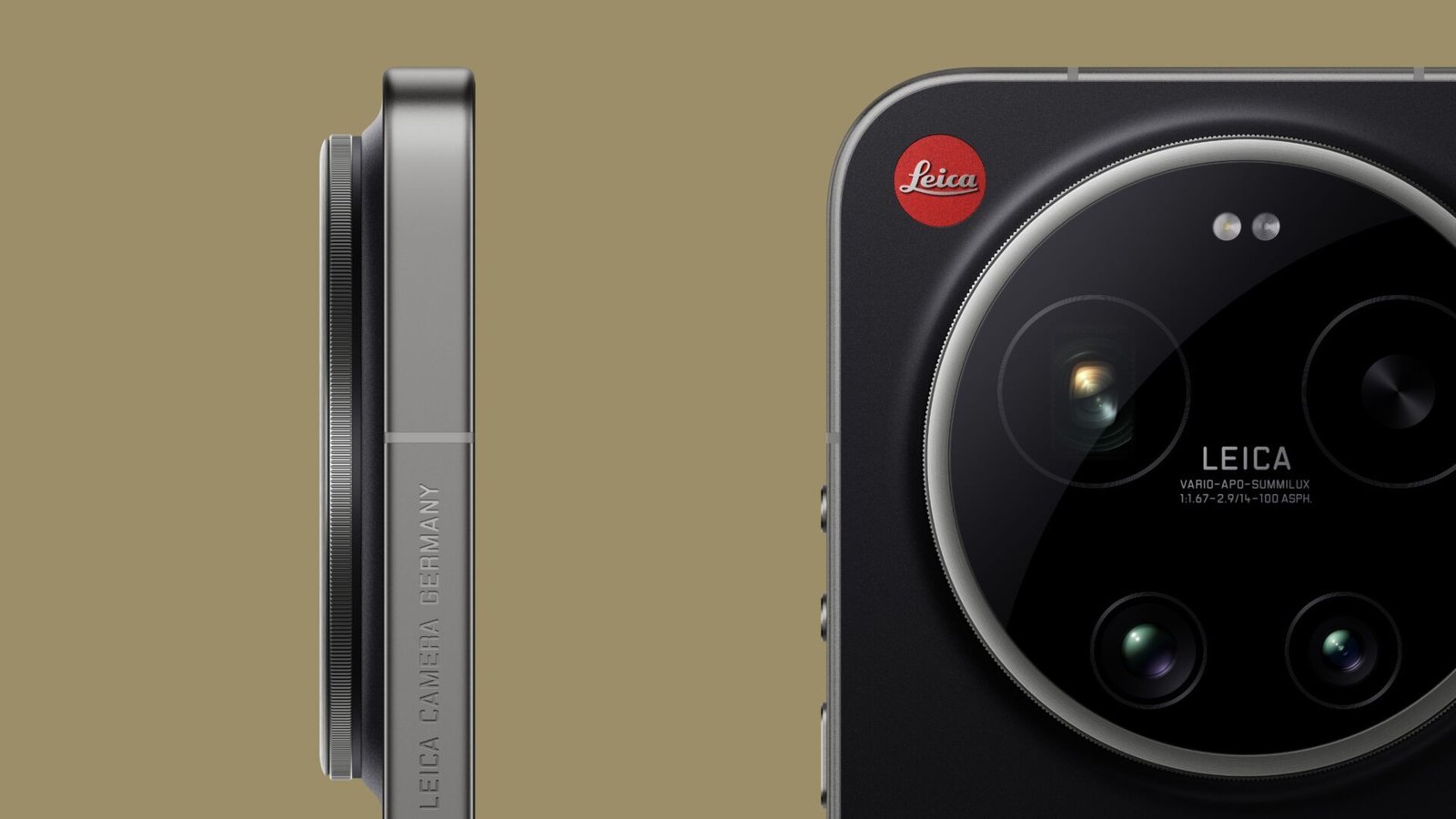
A rotating lens ring, a lens cap, film simulations with Leica names: Xiaomi has turned its partnership with the German house into product language, and Oppo and Sony are answering.
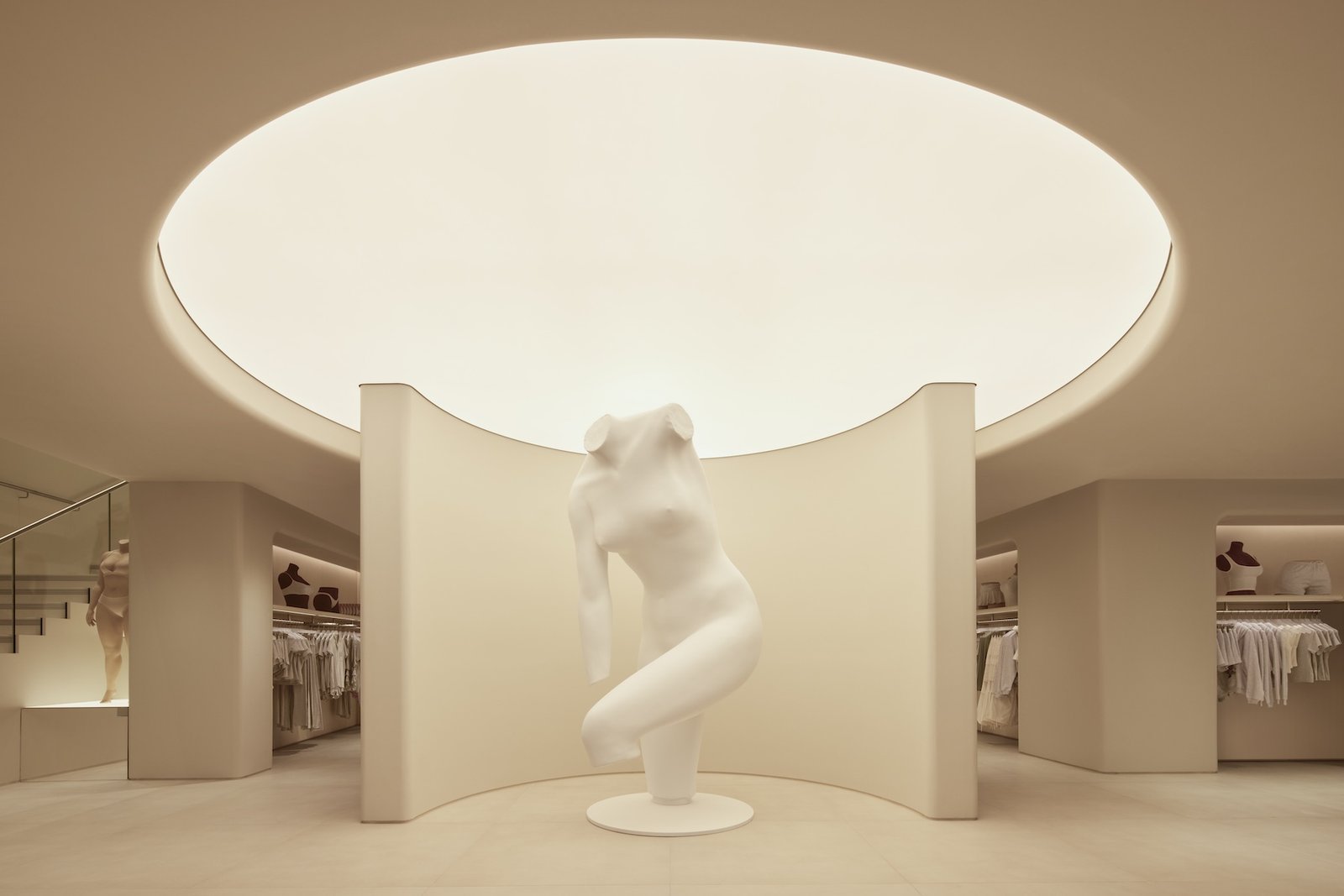
At the Skims flagship on Regent Street, designed by Rafael de Cárdenas, the beige of Kim Kardashian's house and a monumental Vanessa Beecroft figure become the architecture of a brand valued at 5 billion dollars.
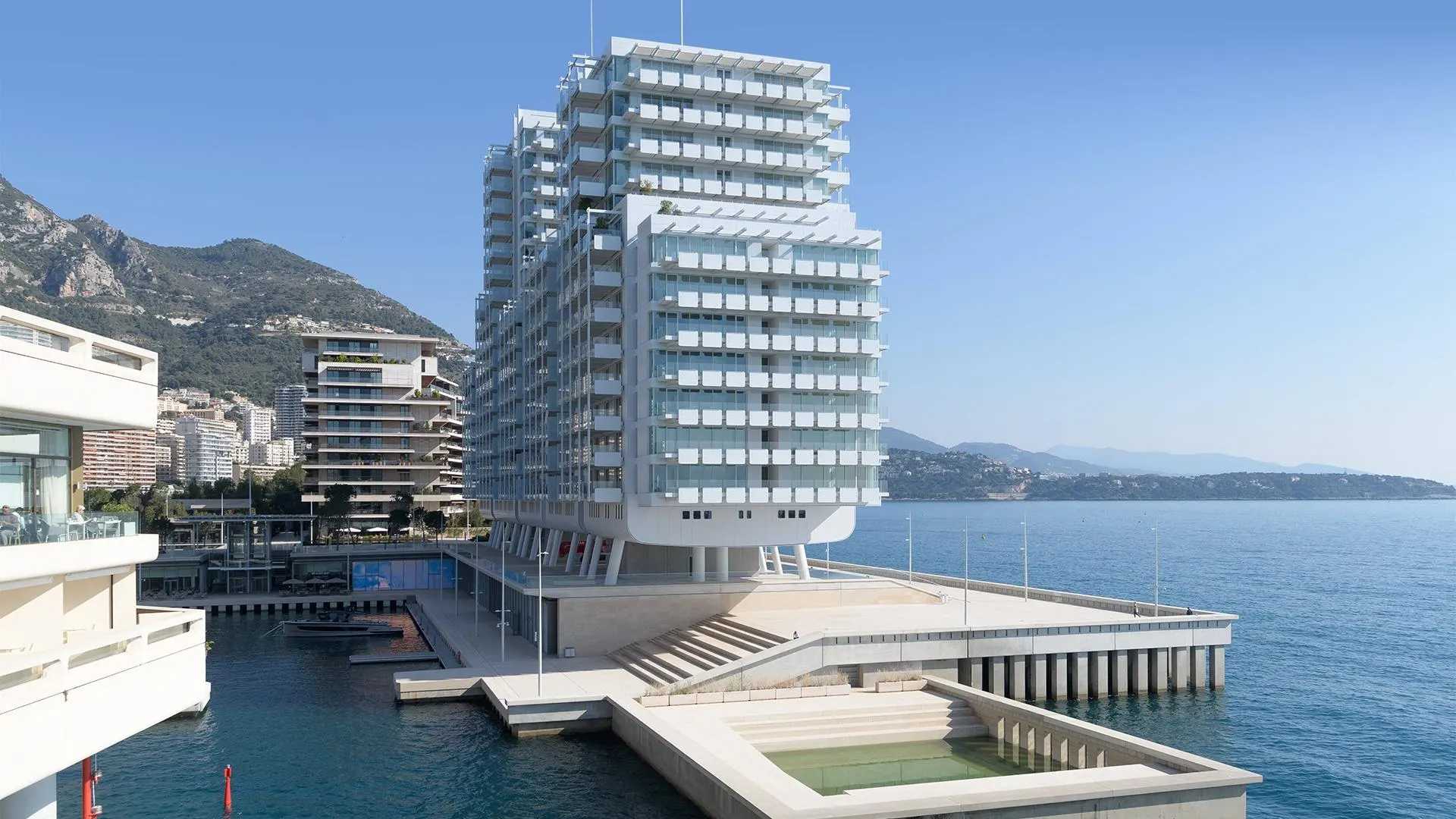
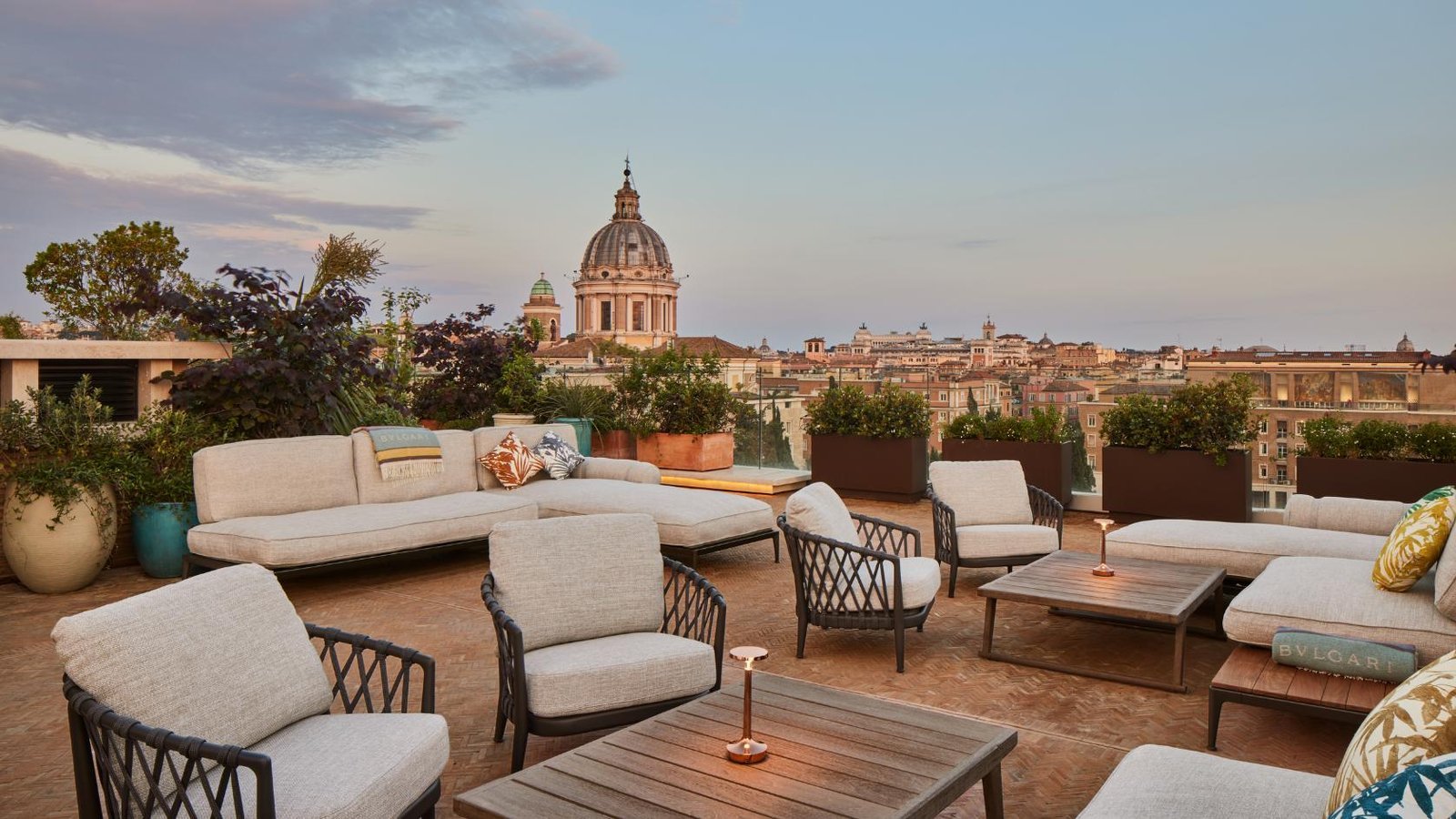
An Emperor’s Jewel follows the making of the Roman hotel. Its most useful subject is the relationship between a Rationalist building and the many crafts that furnish it.
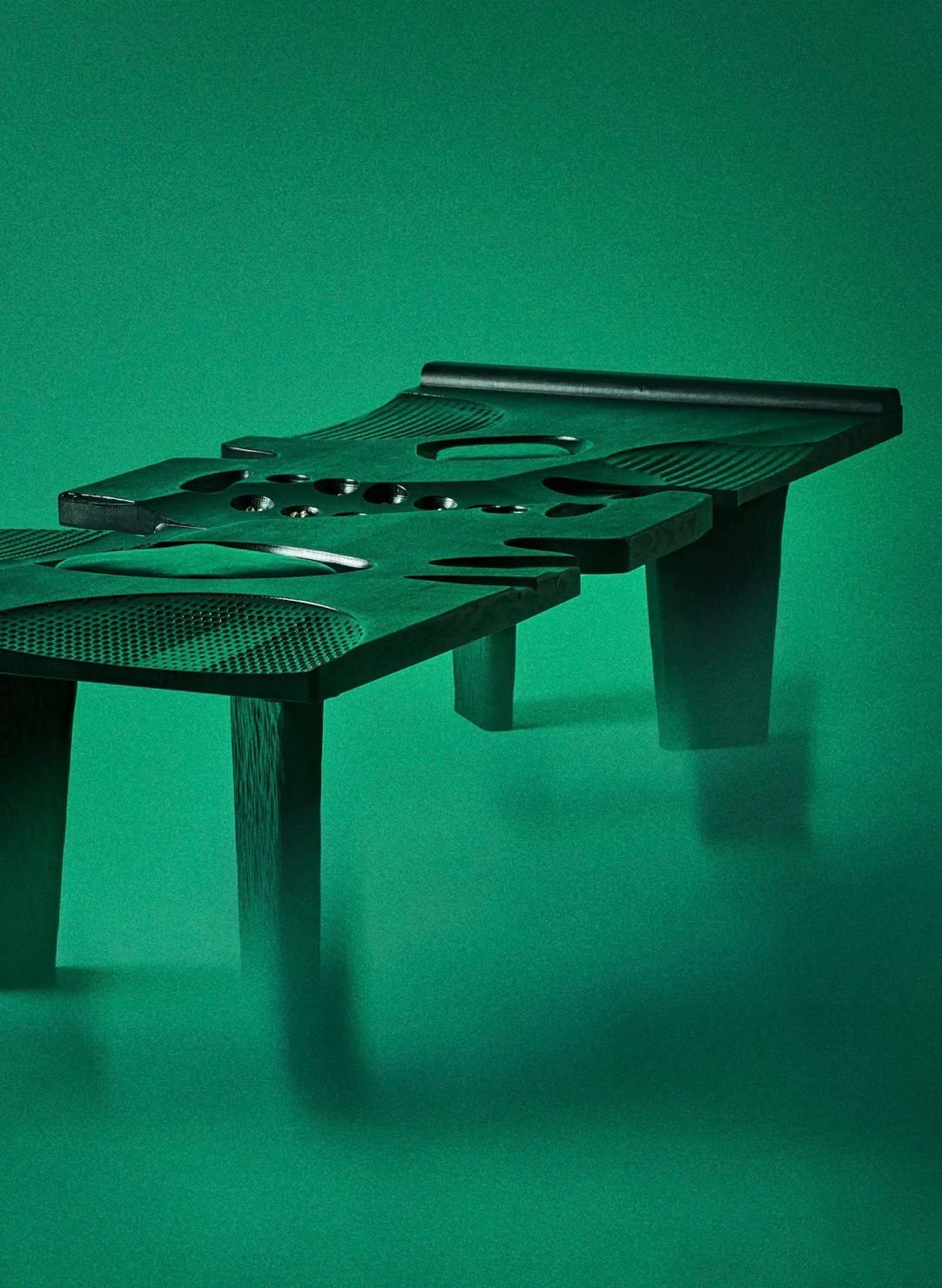
A living material does not necessarily obey the design drawn around it. FUNGI: Anarchist Designers at Rotterdam’s Nieuwe Instituut made that resistance its subject, challenging the idea that fungi matter only when they can be turned into objects or building products.
THE CURATED GLOBE / FROM THE EDITORS
Good stories. Better company.
A considered selection of people, places and ideas from WAYFARER Edition, delivered to your inbox.
Welcome aboard. Your first letter is on its way.
We could not complete your subscription. Please check your email and try again.