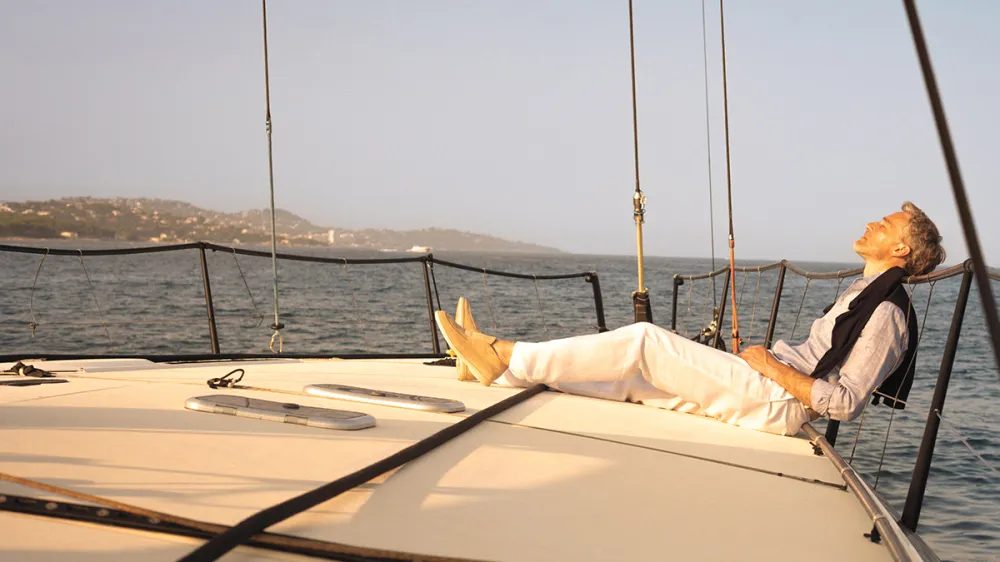
A jacket that works on a quay may face a different test once a boat leaves it. Wind, spray, temperature and freedom of movement turn clothing into equipment without eliminating the question of how it looks and feels. Pier Luigi Loro Piana’s relationship with sailing gives that problem a personal as well as a commercial dimension.
The family name belongs to a textile business founded in 1924. The sea supplies another part of its vocabulary. The connection is not adequately explained by photographing fine fabrics beside a yacht. It becomes more substantial where conditions experienced on the water give a designer a specific brief.
The regatta is not only a backdrop
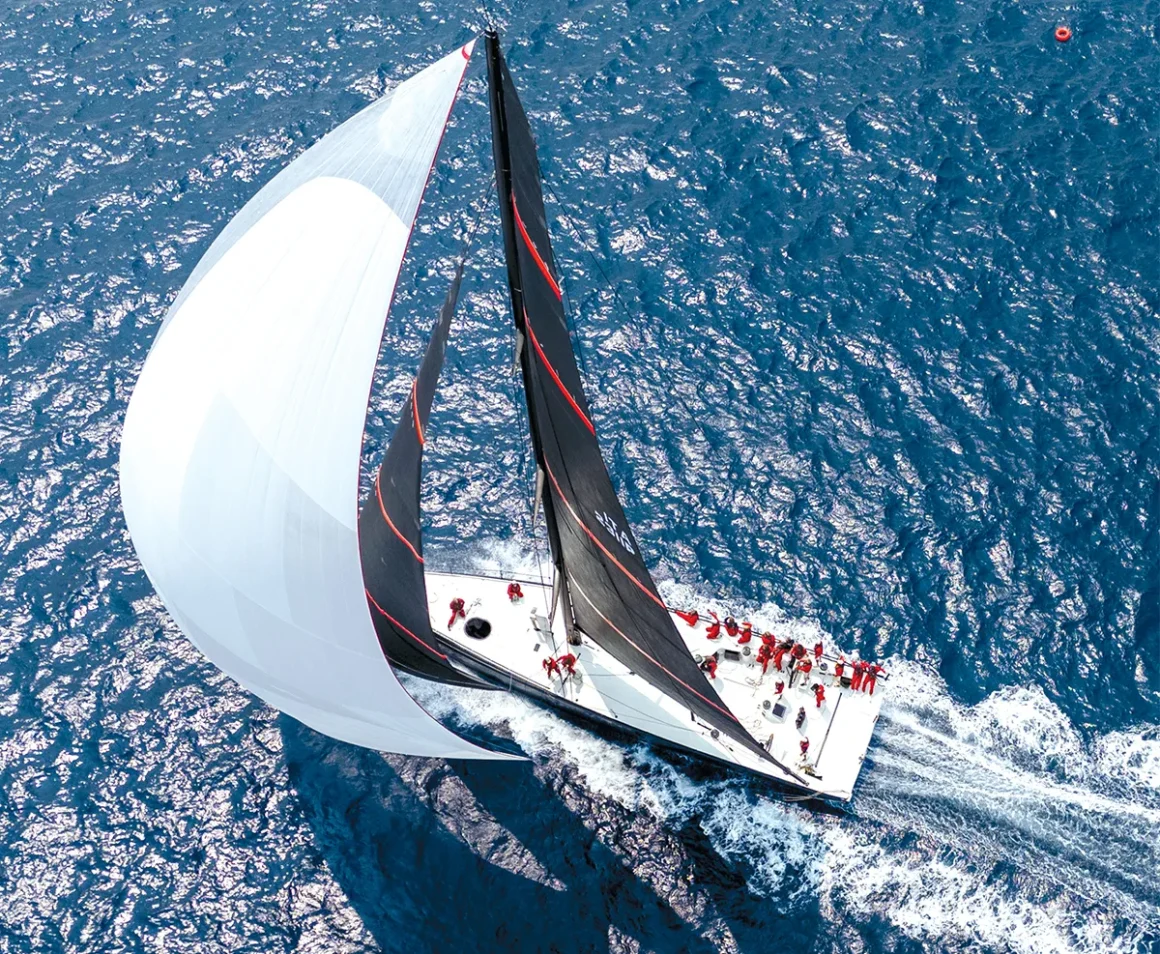
Loro Piana’s sailing account connects the house with events including the Giraglia and Tre Golfi Sailing Week. Pier Luigi participates with My Song, making the connection more direct than a name attached to a sponsorship.
The 2026 Giraglia organiser’s fleet profile identifies My Song as a Swan 80 and places the yacht within a field of different racing programmes. This matters because a boat’s name alone is not a complete specification. The edition of the event and the vessel being discussed should remain explicit.
A regatta brings together conditions a campaign image tends to exclude: manoeuvres, changing weather and the demands of working as a crew. Reading the brand’s involvement through those conditions makes the link with performance clothing more intelligible.
A natural fabric with another task
Storm System supplies a concrete example of the house asking a textile to do more than its untreated material would. In its description of a cashmere field jacket, Loro Piana identifies water-repellent and wind-resistant treatment. Cashmere is not being presented as naturally immune to weather; the added function belongs to the developed fabric.
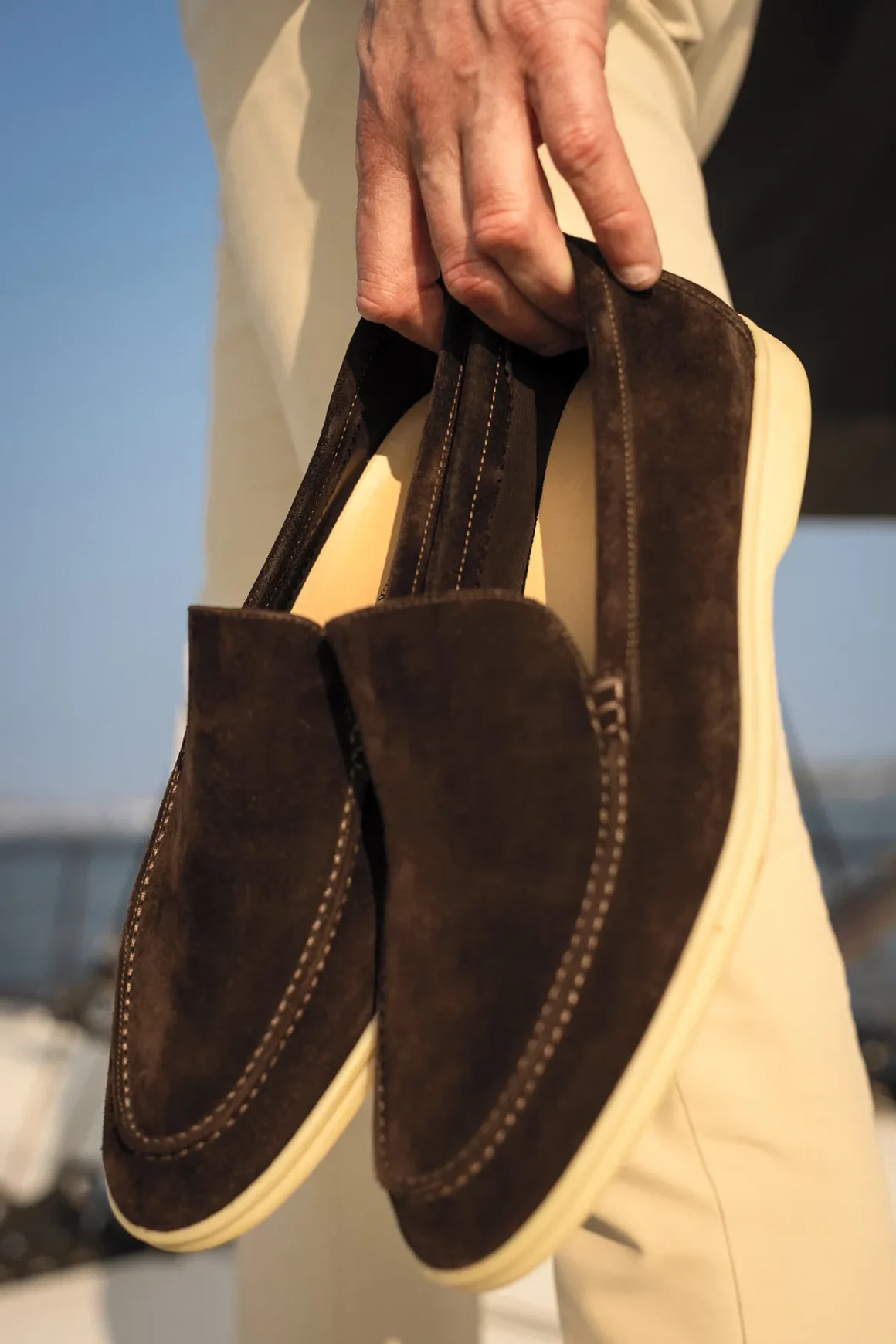
That distinction is more useful than saying technology is invisible. A treatment has to be considered alongside the hand of the cloth, its weight and the construction of the garment. Preserving a material’s character while giving it another job is a design problem, not a contradiction resolved by an adjective.
Sailing makes the problem easy to understand. Clothing must accommodate motion and changing conditions. A fabric’s appeal in a showroom is not the same assessment as its suitability for a particular day on the water. Nor does one weather-resistant garment establish that every product in the house’s range performs identically.
Preserving a material’s character while giving it another job is a design problem, not a contradiction resolved by an adjective.
A family business, a wider scale
Sergio and Pier Luigi expanded the company from its textile foundations into finished products and an international retail presence. LVMH’s 2013 results record the acquisition of Loro Piana during that year. The corporate change belongs to the business history; it does not explain the properties of a cloth by itself.
The more revealing continuity is methodological. A personal requirement can become a sample, a sample can become a garment, and repeated use can expose what the next version needs to change. That sequence gives the sailing connection a practical meaning beyond a lifestyle association.
What the sea adds to the story
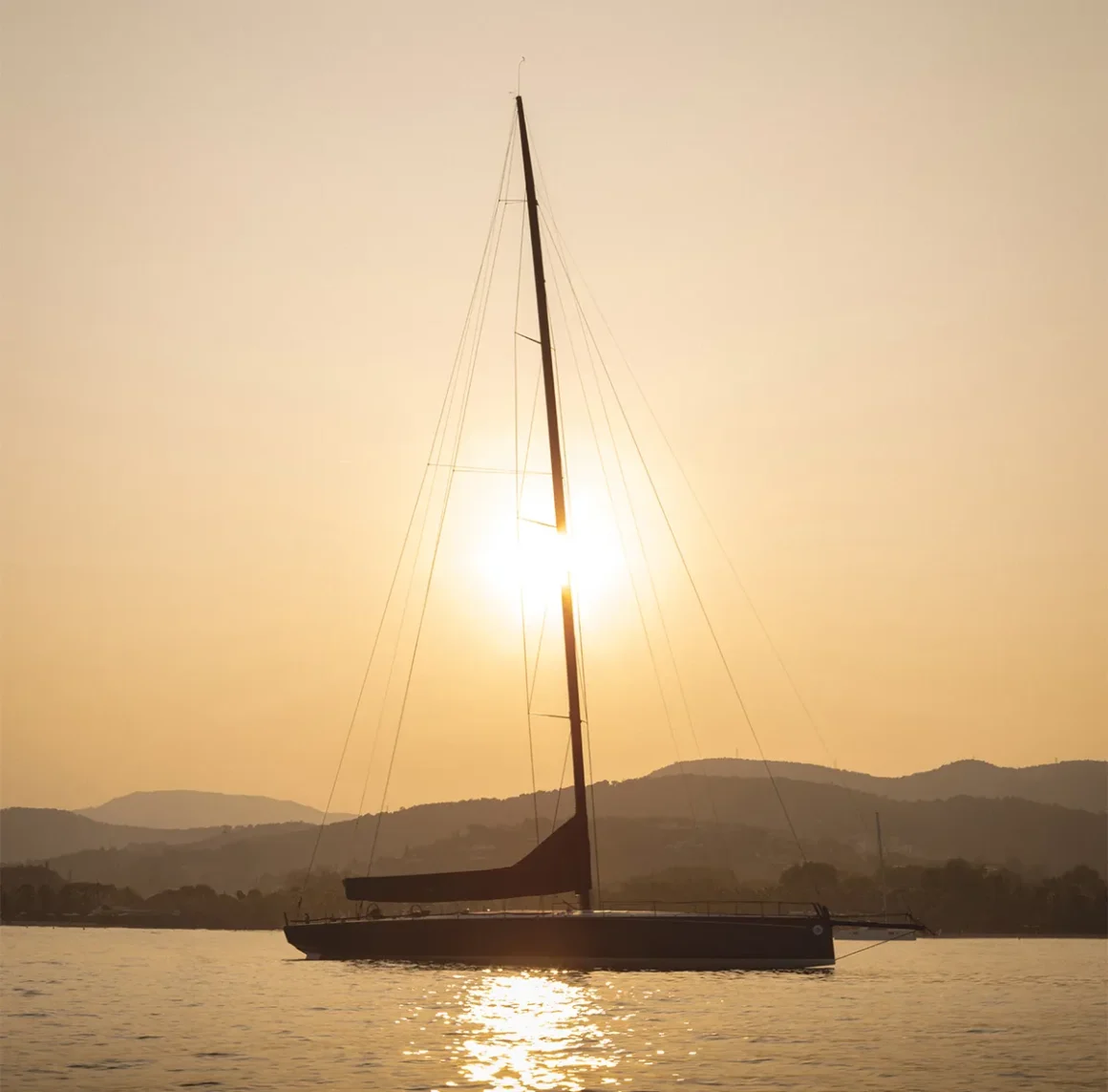
My Song and the Giraglia do not need to stand for an abstract pursuit of perfection. They offer a more demanding measure: a particular person, a particular vessel and conditions that cannot be entirely controlled.
Seen through that frame, the textile story becomes less grandiose and more interesting. Materials are chosen, tested and altered because they must do something. The sea supplies the requirement. The fabric has to answer it.
Four Seasons, Aman, Maybourne, Belmond and Mandarin Oriental now sell the journey as part of the stay, from helicopter transfers into London to 23-day circumnavigations at $238,000 a head. Who flies, why, and what is really being bought.
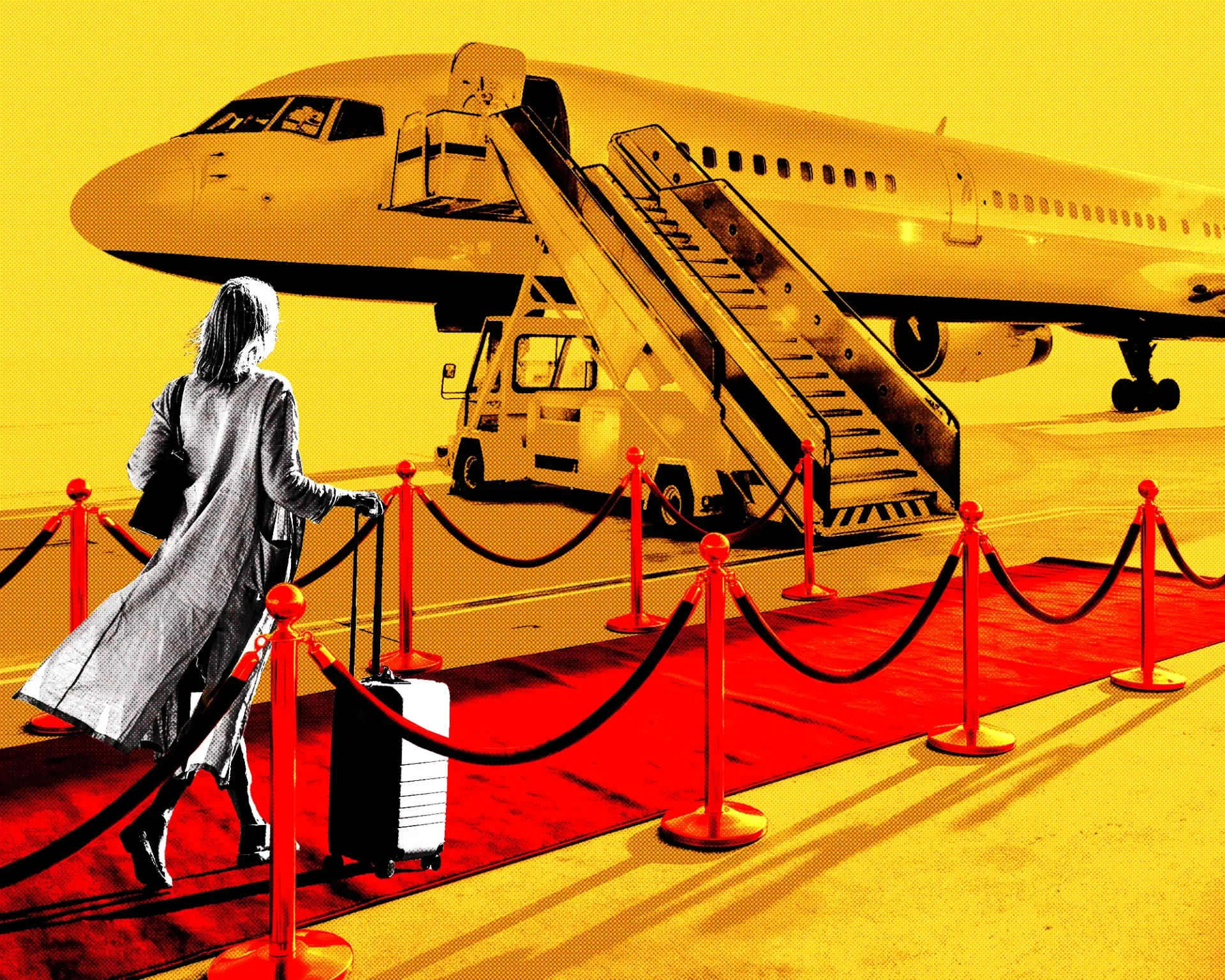
At the back of Los Angeles International Airport sits a terminal with no queue, no crowd and no gate. What PS costs, who uses it, and why travellers who do not fly private have decided to pay not to wait.
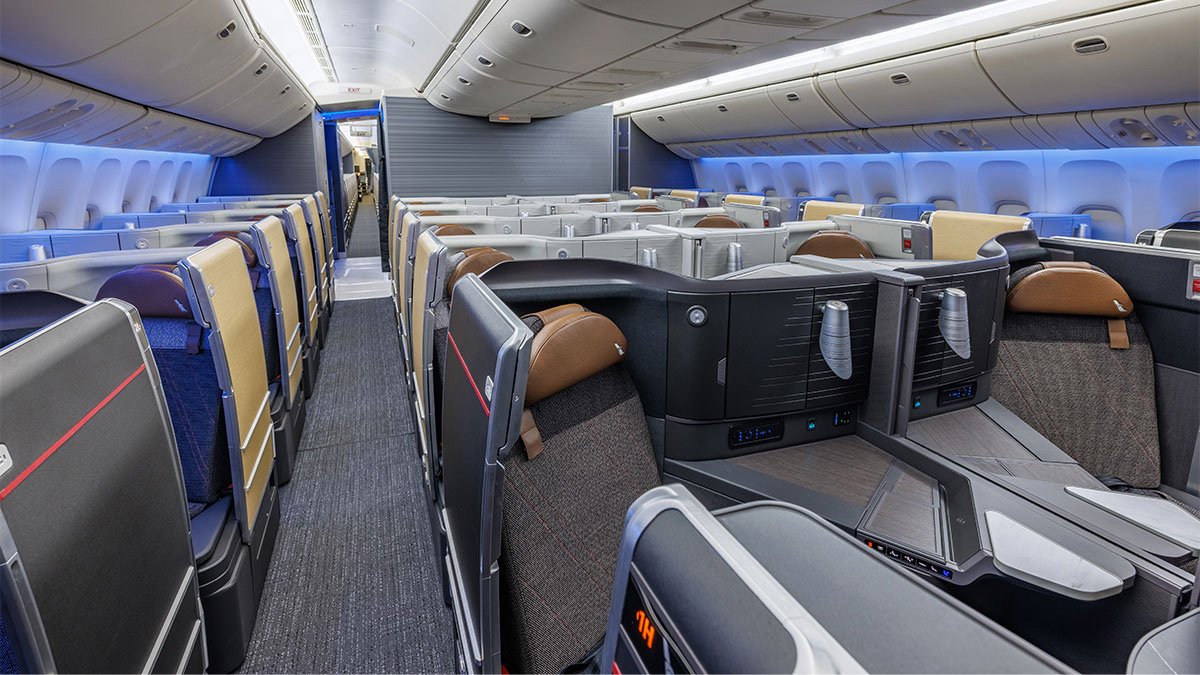
American Airlines is reorganising the front of its Boeing 777-300ER around a different hierarchy. The retrofit removes the traditional Flagship First cabin and places greater emphasis on Flagship Suite business class. The first converted aircraft makes the decision tangible: privacy doors and lie-flat seating become the principal premium proposition, rather than an intermediate step below a separate first class.
Backed by Guy Oseary and run by Brian Corbett, the invitation-only app lets members host, join or propose shared private flights. Its real proposition is not price, but who sits across the aisle.
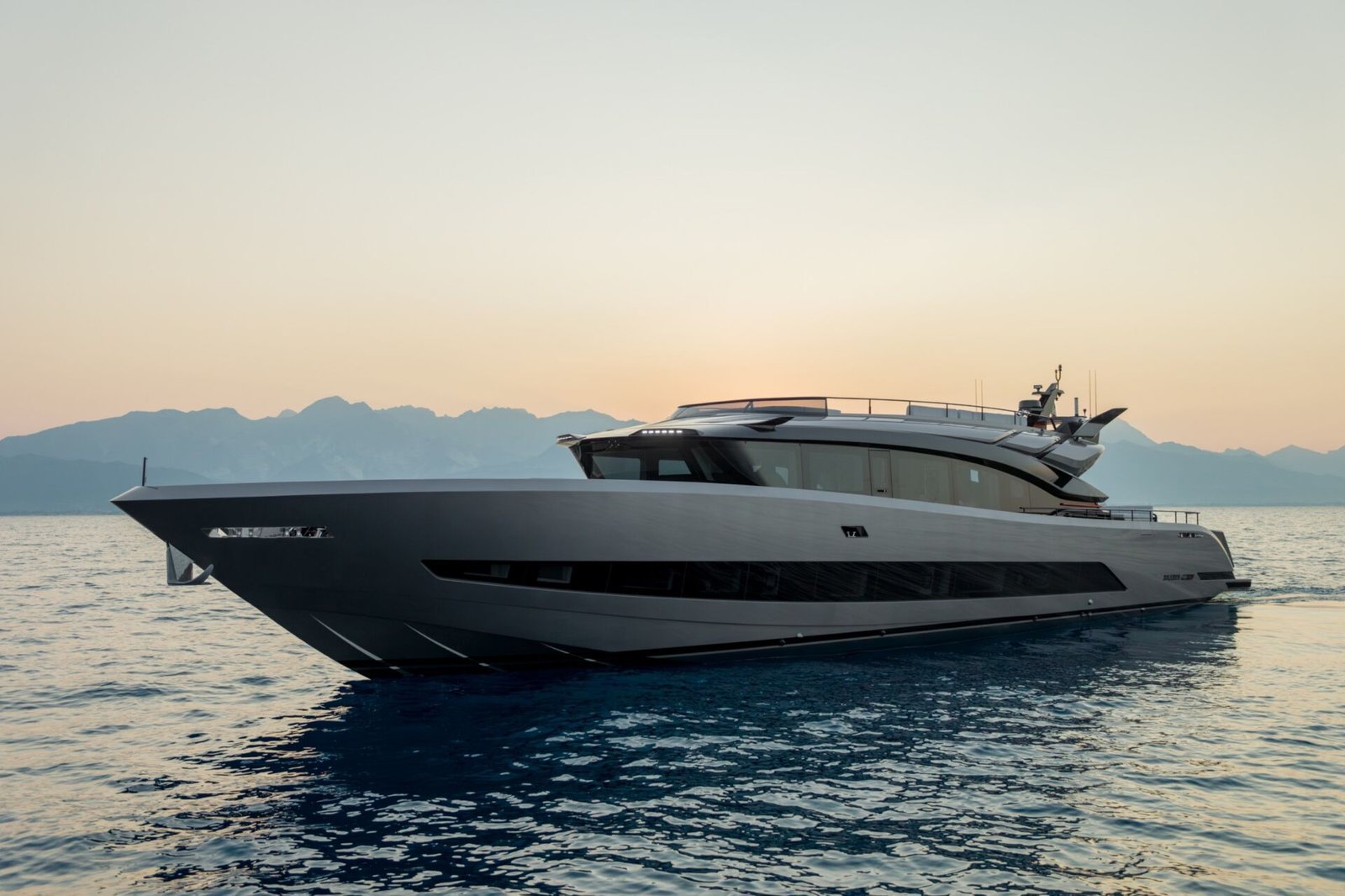
After cars, motorcycles and a residential project in Abu Dhabi, Brabus takes to the sea with three yachts built with AB Yachts. Constantin Buschmann explains why black, carbon and attitude count for more than engineering.
THE CURATED GLOBE / FROM THE EDITORS
Good stories. Better company.
A considered selection of people, places and ideas from WAYFARER Edition, delivered to your inbox.
Welcome aboard. Your first letter is on its way.
We could not complete your subscription. Please check your email and try again.