Soho Farmhouse Ibiza: the island through art and an olive grove
Near Santa Gertrudis, a preserved farmhouse and works by artists connected to the Balearics offer another view of Ibiza. Craft and cultivation give the members’ club its setting.
Ibiza’s rural architecture offers another point of departure from its nightlife image. At Soho Farmhouse Ibiza, a working olive grove, a former family house and an art collection make the island more than a backdrop for a members’ club.
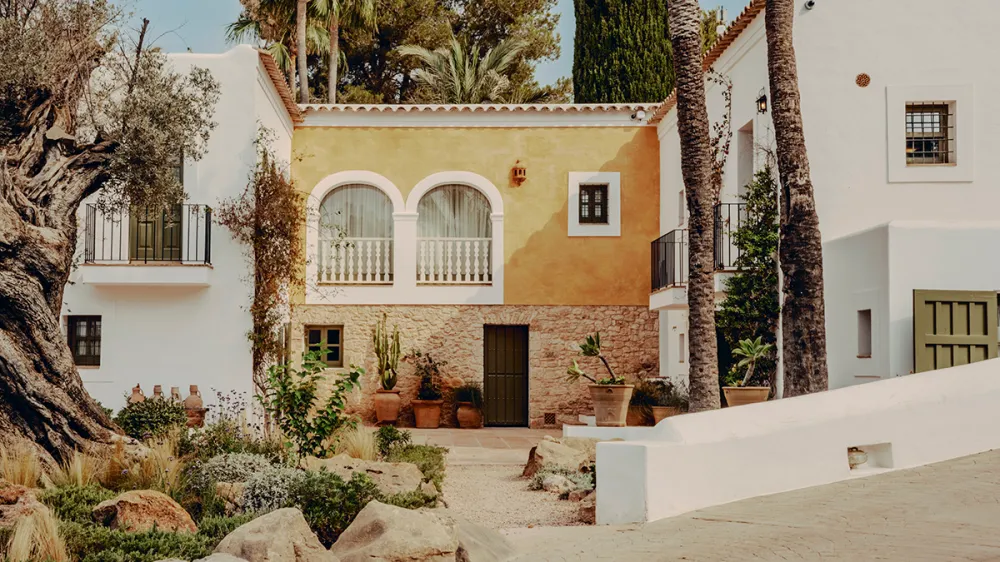
The property sits near Santa Gertrudis, in the island’s interior. Its nine-acre grounds establish a different setting from the coast, while the farmhouse gives the shared rooms an inherited domestic character. White façades, terracotta floors and exposed timber remain the building’s starting language.
Preserving a house, not reproducing one
Senior designer Sophie Baker’s team retained the main building’s high ceilings, floors and wooden beams. The work was therefore organised around features already present, rather than a newly constructed imitation of a finca.
Antiques from the 1970s and coloured glass introduce another layer, referring to Ibiza’s bohemian history. In the bedrooms, plaster and ceramic lamps made by Spanish artisans give the material palette closer points of attention. Linen-covered four-posters and rattan headboards offer two different bed designs.
The published accommodation comprises fourteen bedrooms in the main building and two villas. That division keeps the larger social programme attached to a relatively small residential component. The library, garden tables and horseshoe-shaped bar organise the common spaces around different uses, not merely different furniture.
Artists with a relationship to the island
The collection contains seventy works by twenty-one artists. Its curatorial premise, under Kate Bryan’s direction, focuses on people born, based or trained in the Balearics. That is a more precise relationship with place than simply displaying Mediterranean-looking images.
Natalie Rich’s ceiling installation in the library comprises more than two hundred handmade pieces. Outside, Jesus de Miguel’s Inmudus refers to the Fameliars of Ibicenca mythology, while Javier Riera’s garden light projection moves through a seven-minute sequence. The works use the building and grounds as settings rather than treat art as an interchangeable wall accessory.
Textile works add another material register. Adrián Martínez’s dyed wool and Adriana Meunié’s tapestry in carritx and esparto sit within a collection that also includes painting, photography and sculpture. Local connection does not require one medium or one visual style.
A garden gives the kitchen a subject
In the opening food programme, chef Antoni Parisi described local produce as the kitchen’s organising principle: goat’s cheese, fish, vegetables and relationships with nearby farms. The kitchen garden supplied fruit, herbs and vegetables for the day’s cooking.
The useful detail is the link between cultivation and menu, rather than a past dish presented as permanently available. The restaurant and its terrace provide another way to occupy the grounds; their setting does not replace a separate judgement about the food.
The club remains a club
Soho Farmhouse Ibiza is a private members’ setting, not an unrestricted public attraction. Its pools, Health Club and social programme belong to that operating model. A reader should not assume that the presence of a hotel component grants open access to every space.
The project is most convincing where its club rituals meet something particular to the island: an existing house, a cultivated grove, an artist’s local reference. Ibiza is not reduced to the view from a sunbed. It enters the rooms through what is made and grown there.
The garden and the table
The opening menu brought the Balearic setting into specific dishes: the Trio de Cantábria with anchovies and smoked sardines, grilled Formentera langoustines and sea-bream carpaccio. An ensaimada ice-cream sandwich gave a familiar regional pastry another form. These examples belong to the opening repertoire, with the seasonal kitchen following what the garden and nearby producers supplied.
Soho Farmhouse Ibiza · Camino Viejo de Sant Mateu, Santa Gertrudis de Fruitera, Ibiza, Spain.
The independent LTI ranking puts Mandarin Oriental at the top for the fourth consecutive year, with 81.1 per cent, ahead of Oetker, Bulgari, Four Seasons and Rosewood. The full list of twenty brands.
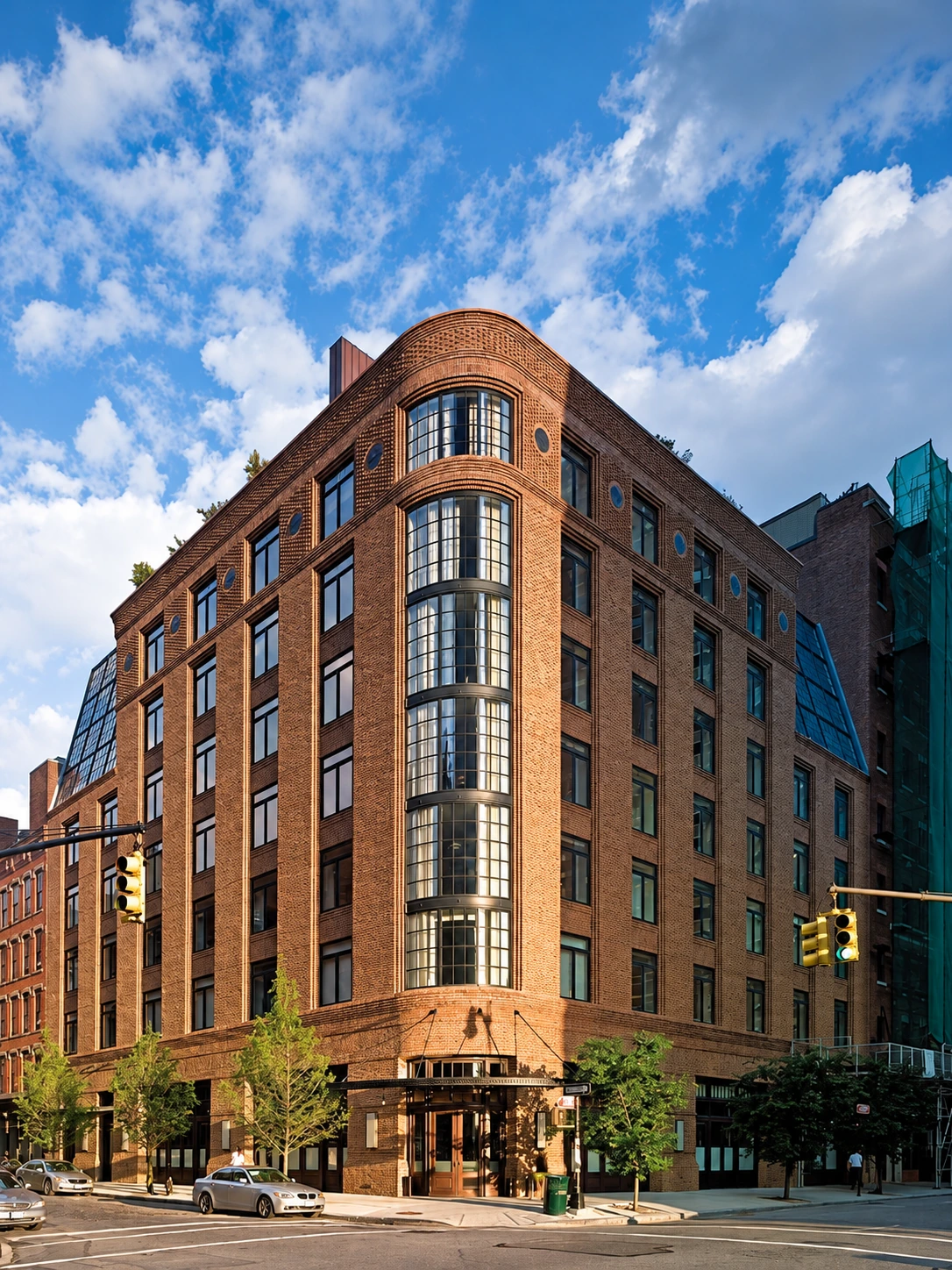
In Tribeca, individual rooms, Japanese references and a guest-only courtyard give a downtown hotel its own material language. The identity is in the differences.
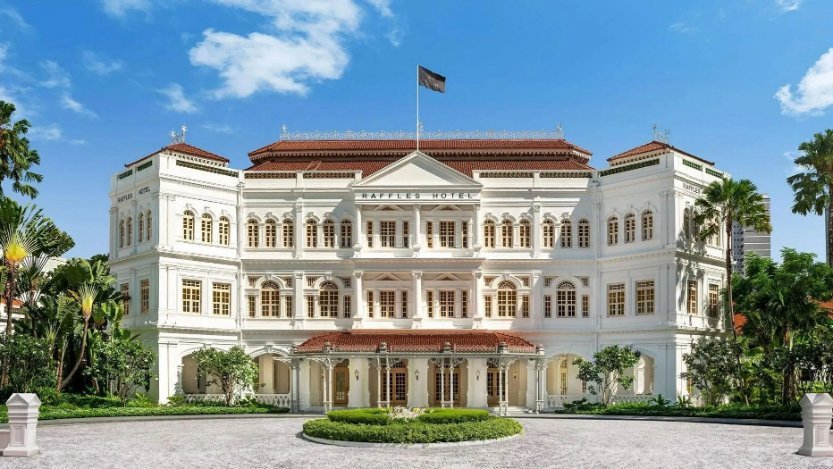
From the Hôtel de Paris in Monte-Carlo to Raffles in Singapore and a Mandarin Oriental in Bangkok marking 150 years, the grand hotels that have stayed relevant for more than a hundred years without surrendering their identity.
THE CURATED GLOBE / FROM THE EDITORS
Good stories. Better company.
A considered selection of people, places and ideas from WAYFARER Edition, delivered to your inbox.
Welcome aboard. Your first letter is on its way.
We could not complete your subscription. Please check your email and try again.