United Polaris Studio: more room, and the limits of a cabin promise
The new 787-9 interior has entered international service. Its larger front-row suites are best understood through the seat plan, not through the word private.
An airline seat is a small piece of architecture with an unusually demanding brief. It must support sleep, eating, work and circulation inside a fixed fuselage. United’s Polaris Studio changes that brief by giving a limited number of passengers more space, rather than treating every business-class position as the same room.
The May 2025 announcement has moved beyond a proposal. United reported in its second-quarter 2026 results that the 787-9 with its Elevated interior had begun operating between San Francisco and Singapore, and between San Francisco and London. That is evidence of entry into service, not a guarantee that every departure on either route has this cabin.
Eight seats are not the whole aircraft
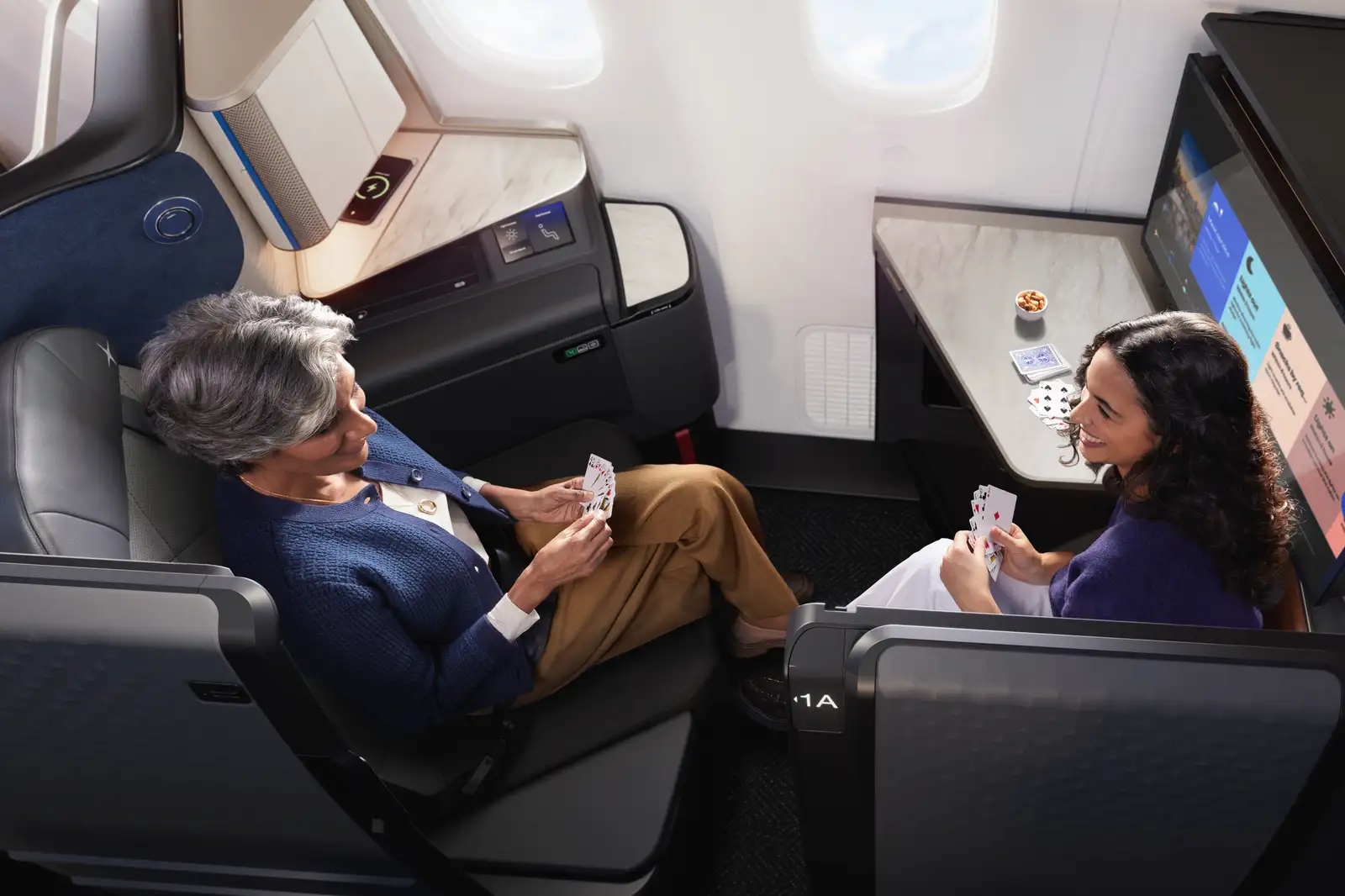
The configuration has eight Polaris Studio suites and 56 standard Polaris seats. United describes the Studio as 25 per cent larger than the standard position. Its 27-inch 4K OLED screen, Bluetooth connection and wireless charging are part of that distinction; the standard Polaris screen measures 19 inches.
The extra volume creates a different relationship between the passenger, the screen and the surrounding furniture. It also makes the distinction visible on a seat map. Buying a business-class ticket is not, by itself, the same as selecting a Studio.
A companion ottoman is another qualification worth reading closely. Only six of the eight Studio seats have an ottoman fitted with a seatbelt for a companion. Two positions should not be described as offering an identical arrangement.
The door needs a separate check
United’s March 2026 launch release explicitly stated that the privacy doors were temporarily unavailable. The original design includes them, but a design feature and a functioning feature on a particular flight are different claims.
Confirm the current position with the airline rather than assuming that a render, photograph or early announcement settles it. More floor space can be assessed through the configuration; operational privacy requires an additional check.
This distinction matters when comparing cabins. A curtain, shell, door and larger seating area all manage exposure differently. None makes an aircraft seat equivalent to a hotel room, and none removes the need to follow crew instructions during a flight.
The configuration defines the experience
Aircraft configuration, seat category and fare conditions define which part of the new interior a passenger will encounter. Aircraft substitutions remain a reason not to treat an assigned cabin as an unconditional architectural promise.
The design story is nevertheless concrete. An eight-seat tier adds a second scale to Polaris, with measurable differences in area, equipment and companion seating. Those details say more than a general claim about an elevated journey.
Equipment within the extra space
Wireless charging, Bluetooth connectivity and a 27-inch 4K OLED screen give the Studio’s extra volume a practical programme. The distinction from the standard 19-inch Polaris screen can be understood without a subjective claim about comfort. A larger screen and more area are measurable differences; the experience of a particular flight remains shaped by its operation.
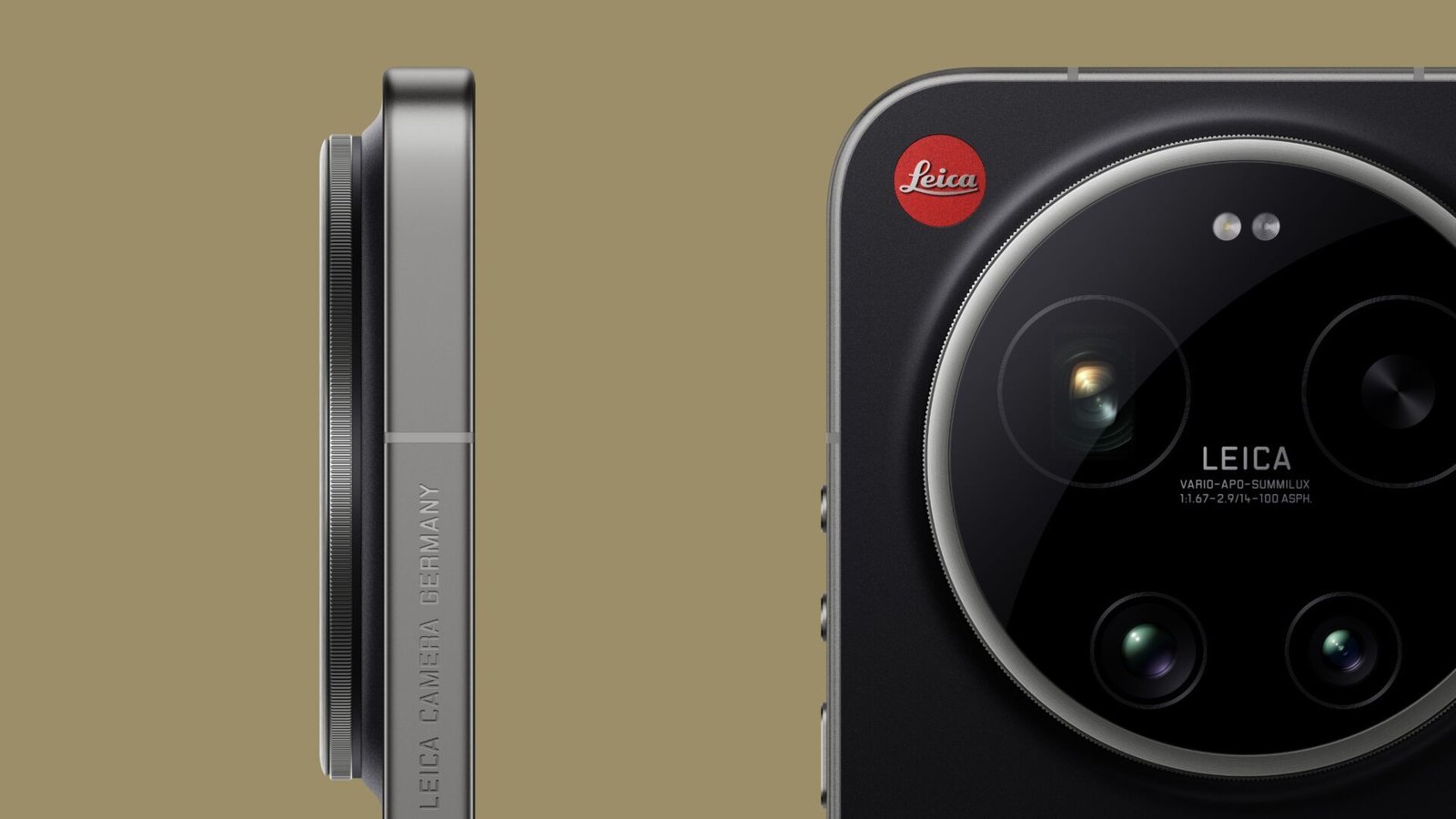
A rotating lens ring, a lens cap, film simulations with Leica names: Xiaomi has turned its partnership with the German house into product language, and Oppo and Sony are answering.