Virgin Galactic sets its return to commercial flights for the second quarter of 2027
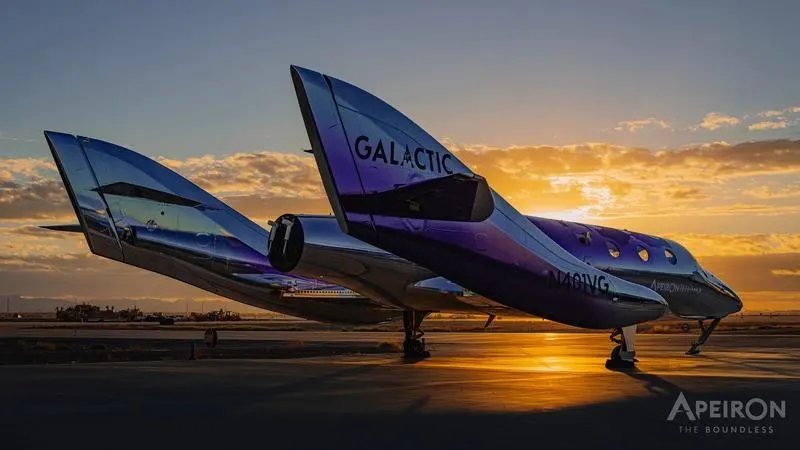
Apeiron, the first Delta-class ship, landed at Spaceport America on 28 October. If testing goes to plan, it will carry its first passengers early in the second quarter of 2027.
Since mid-2024, suborbital space tourism has existed more as a promise than as a working business. Virgin Galactic now signals it intends to change that: the company has confirmed plans to resume commercial flights early in the second quarter of 2027, built on a new generation of spaceships designed to fly far more often than their predecessors.
The latest milestone came on 28 October, when Spaceship Apeiron, the first Delta-class ship, arrived at Spaceport America in New Mexico. It made the journey from Virgin Galactic’s factory in Mesa, Arizona, mated to the mothership VMS Eve.
GROUNDED SINCE JUNE 2024, VIRGIN GALACTIC IS BETTING ITS RETURN ON APEIRON. IMAGE COURTESY OF VIRGIN GALACTIC
A return after almost three years
Virgin Galactic suspended commercial operations when it retired VSS Unity in 2024. The ship completed 12 flights to space, seven of them commercial missions, carrying around 23 paying passengers. Since then the company has redirected resources towards a fleet able to sustain a far higher flight rate, a critical factor given a queue of roughly 675 customers waiting for a suborbital experience, according to Space.com.
Apeiron is expected to begin carrying passengers early in the second quarter of 2027, provided it completes its flight-test campaign. A second Delta-class ship is already under construction and should enter commercial service between the end of the second quarter and the start of the third.
Unlike VSS Unity, the Delta ships are designed to fly up to twice a week, with room for up to six passengers per mission and a design life of more than 500 flights.
APEIRON ARRIVED AT SPACEPORT AMERICA, NEW MEXICO, ON 28 OCTOBER. IMAGE COURTESY OF VIRGIN GALACTIC
Arrival at Spaceport America
The flight from Arizona to New Mexico carried symbolic weight. The pair took off from Phoenix-Mesa Gateway Airport at 10:29 local time and landed at Spaceport America at 12:59 New Mexico time.
“This morning, we named Apeiron. This afternoon, Apeiron came home.” Michael Colglazier, CEO of Virgin Galactic
The name, ancient Greek for “without limits”, was chosen in a public vote with participants from 83 countries.
Blue Origin stays paused, eyes on the Moon
Virgin Galactic’s planned return comes while its main suborbital rival, Blue Origin, keeps passenger flights on hold. Having already flown more than 90 people to space aboard New Shepard, the company announced in January 2026 a pause of at least two years to concentrate resources on its Blue Moon lunar lander.
Blue Origin has taken an increasingly prominent role in NASA’s Artemis programme, competing with SpaceX, and its Blue Moon Endurance spacecraft recently completed a series of tests with the agency.
With Virgin Galactic on the ground since June 2024 and Blue Origin looking to the Moon, suborbital tourism has become a rare commodity. If Apeiron keeps to schedule, 2027 will tell whether the promise of space as a destination can, at last, become a business.
The company: Virgin Galactic, flying from Spaceport America, New Mexico. The ship: Spaceship Apeiron, Delta class, up to six passengers per flight. Timing: commercial flights expected early in the second quarter of 2027, subject to testing. More:virgingalactic.com.
At the back of Los Angeles International Airport sits a terminal with no queue, no crowd and no gate. What PS costs, who uses it, and why travellers who do not fly private have decided to pay not to wait.
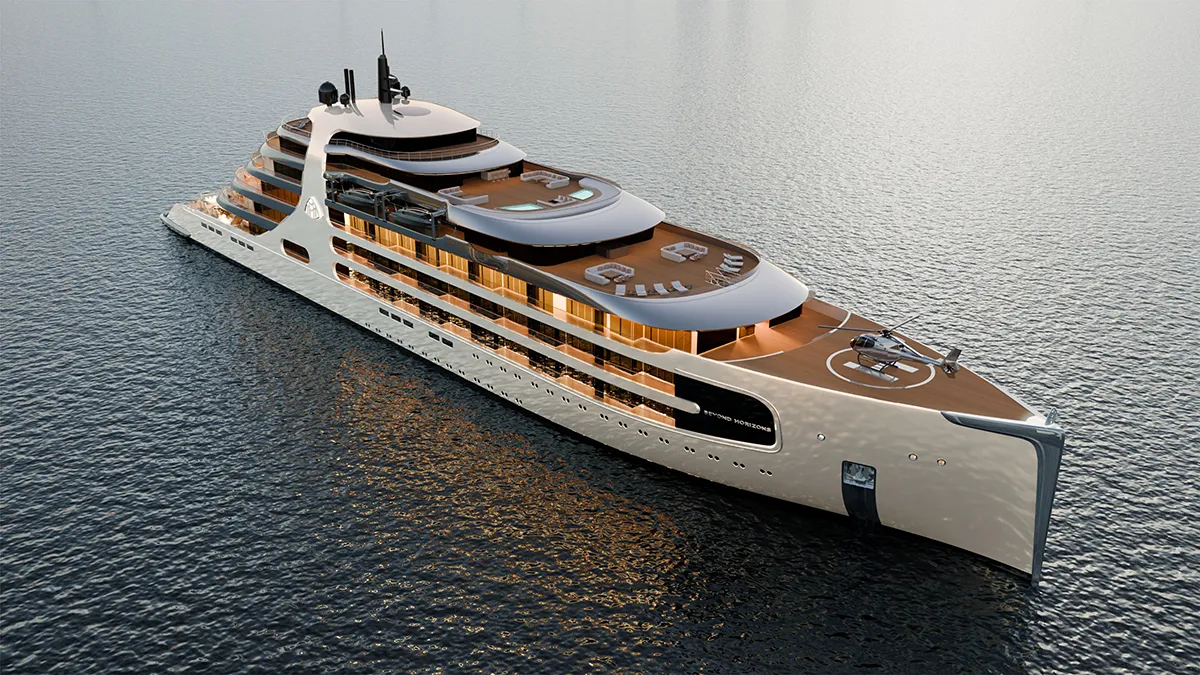
A 155-metre superyacht, 300 co-owners and four weeks a year at sea. With Beyond Horizons, Mercedes-Maybach is betting that the club of the future will have no address, only the right company.
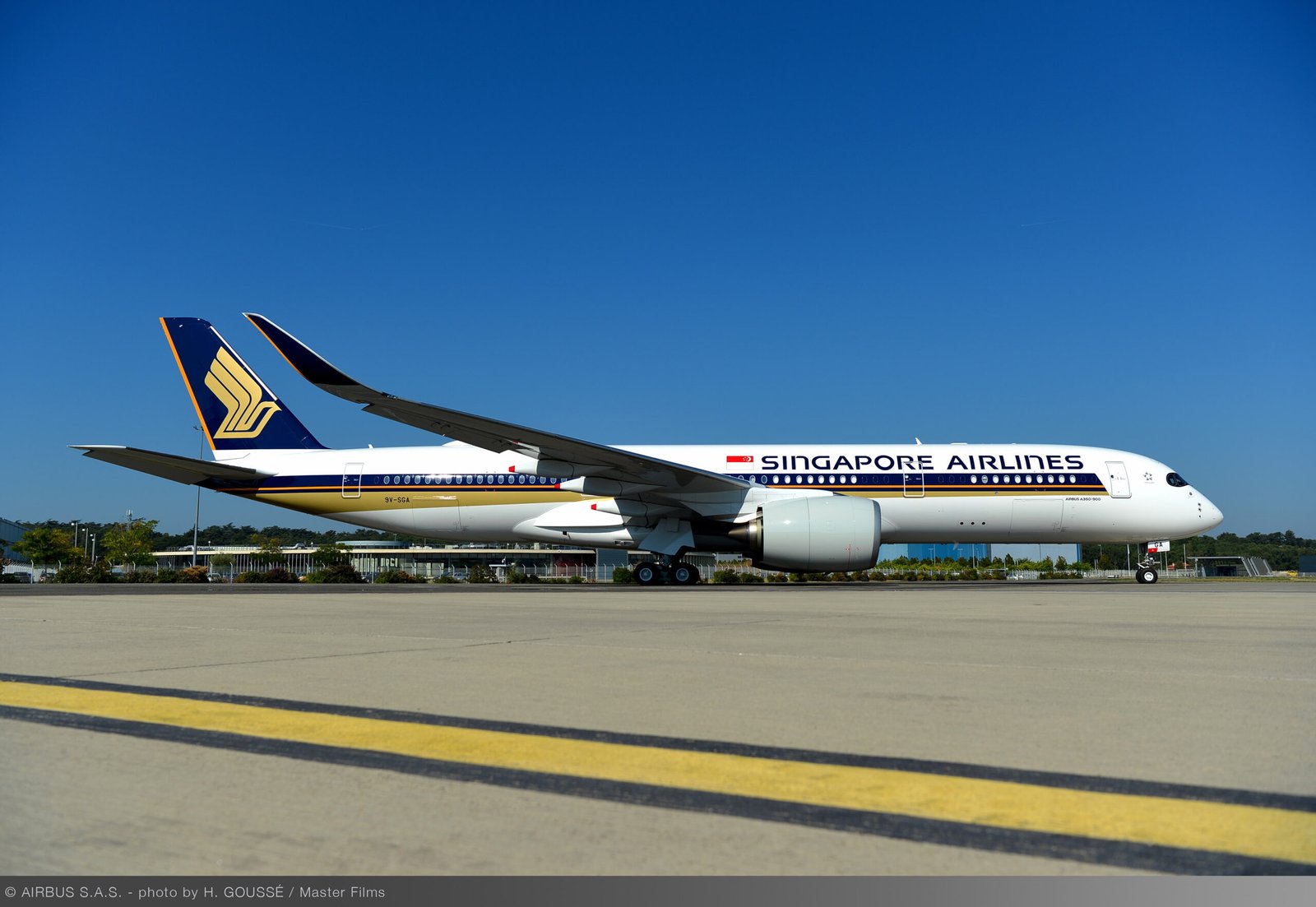
Nineteen hours without touching the ground. The ranking of the longest routes on earth, the cabins built for them, the network shifts at Qantas and the test flight that sets up the next record.
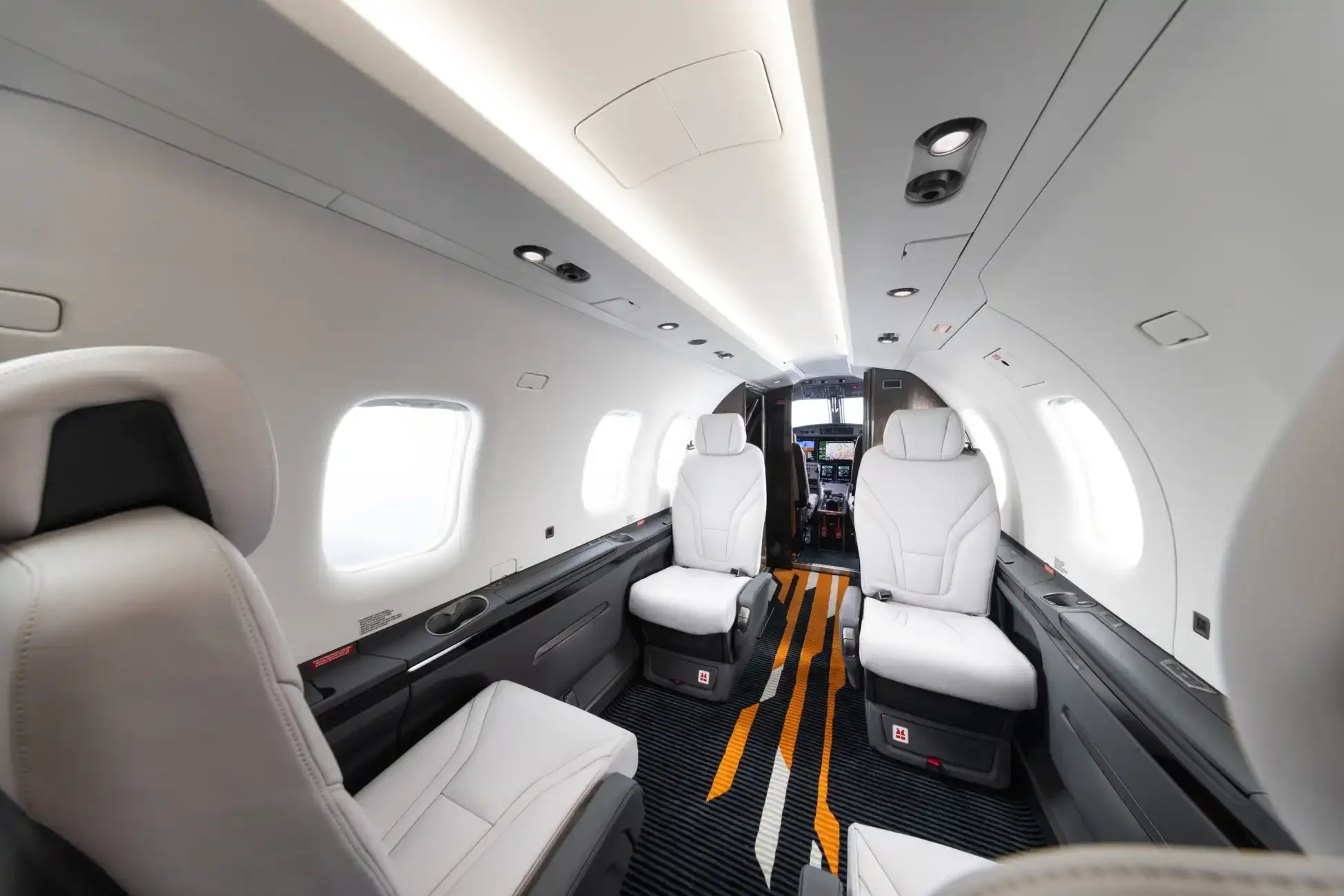
King Air 360ER, Pilatus PC-12 PRO, Daher TBM 980 and the forthcoming Denali combine cabin design and automation with the practical attraction of shorter runways.