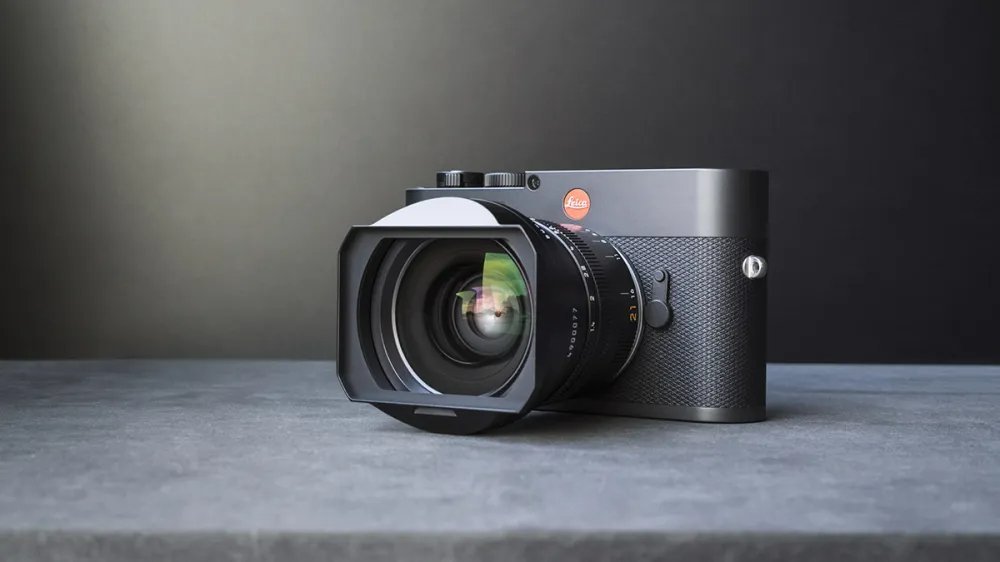
During the centenary year of the Leica camera, the M EV1 introduced one of the most consequential changes in the M system’s history. An integrated electronic viewfinder replaces the mechanical rangefinder, altering both a technical process and a ritual that has helped define the camera since 1954.
The M name derives from Messsucher, the German term associated with the rangefinder. Generations of photographers have focused by bringing two superimposed images into alignment, working within an optical view of the scene rather than a digital preview from the sensor. The M EV1 replaces that method with an electronic image and assistance such as magnification and focus peaking.
A change with precedents
Leica has made M bodies without rangefinders before. The MD, MDa and MD-2 were intended for specialised applications, including scientific and technical work, with external viewing arrangements where required. The M EV1’s distinction is its integrated electronic finder: this is no longer an accessory attached to a body whose principal viewing system remains optical.
The difference is visible from the front. The familiar rangefinder window disappears, and the physical ISO dial on the top plate gives way to a revised layout. The compact proportions, solid construction and recognisable M handling remain. The camera changes how the image is seen without adopting the form of a larger interchangeable-lens system.
Focus where the photograph is made
An electronic finder previews the image through the taking lens. That is especially useful at close distances, where an optical finder’s separate viewpoint introduces parallax and framing requires allowances. With magnification and focus peaking, the photographer can examine the plane of focus directly and make smaller adjustments before releasing the shutter.
This does not turn the M EV1 into an autofocus camera. The lenses retain their manual operation, and the photographer still chooses where to focus. The change is in the information available while making that decision.
The M mount also maintains continuity with the lens system, although compatibility has exceptions and should be checked against Leica’s specifications for an individual lens. The connection to older optics is important; it is not a reason to claim that every M lens ever produced works without qualification.
The transition may unsettle enthusiasts in much the same way that Porsche’s move from air-cooled to water-cooled engines divided its audience. But a method can evolve without erasing the character built around it. The M EV1 preserves deliberate focusing and familiar proportions while changing the view used to make the photograph. It does not remove the earlier M story. It opens another chapter within it.
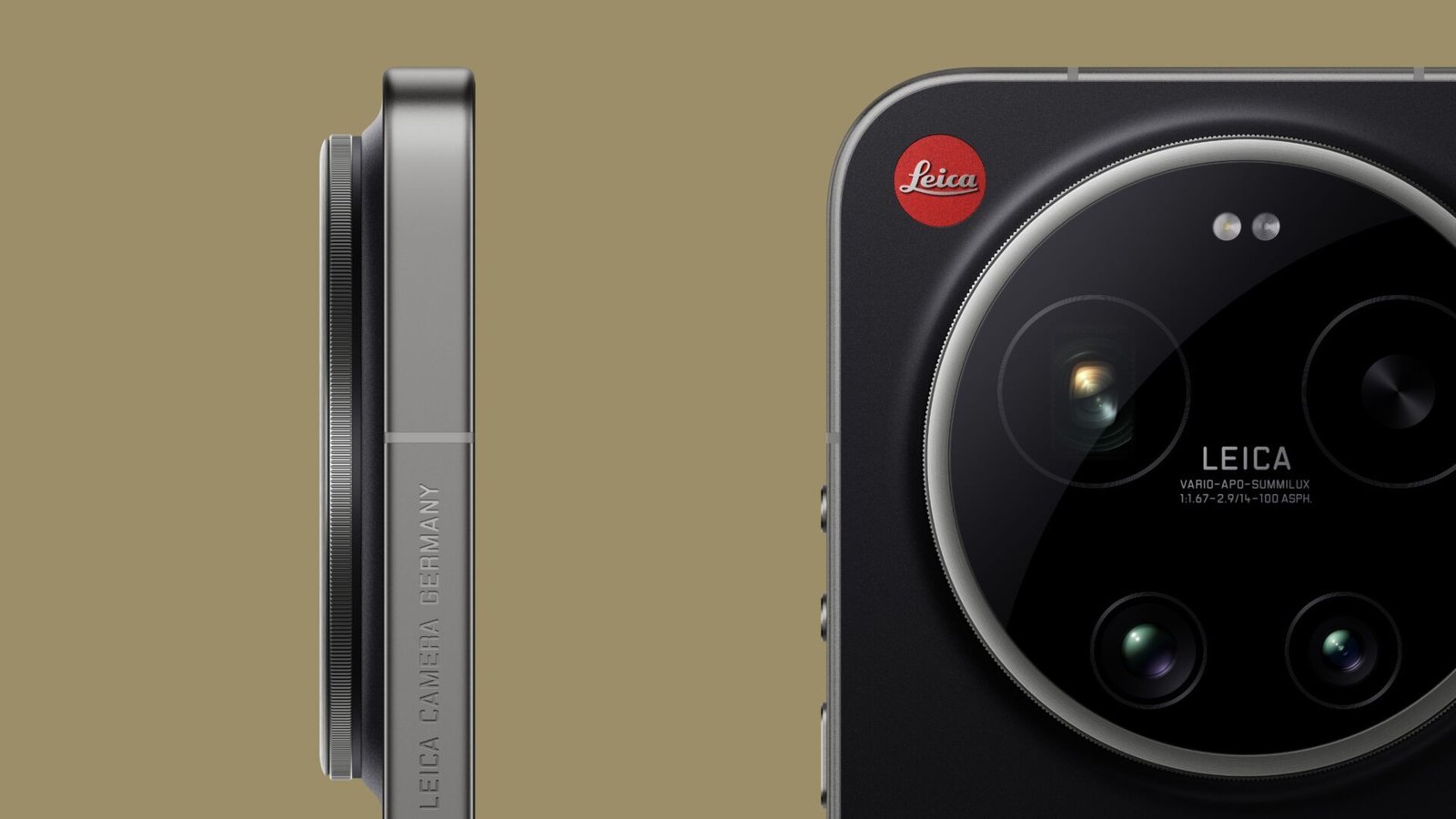
A rotating lens ring, a lens cap, film simulations with Leica names: Xiaomi has turned its partnership with the German house into product language, and Oppo and Sony are answering.
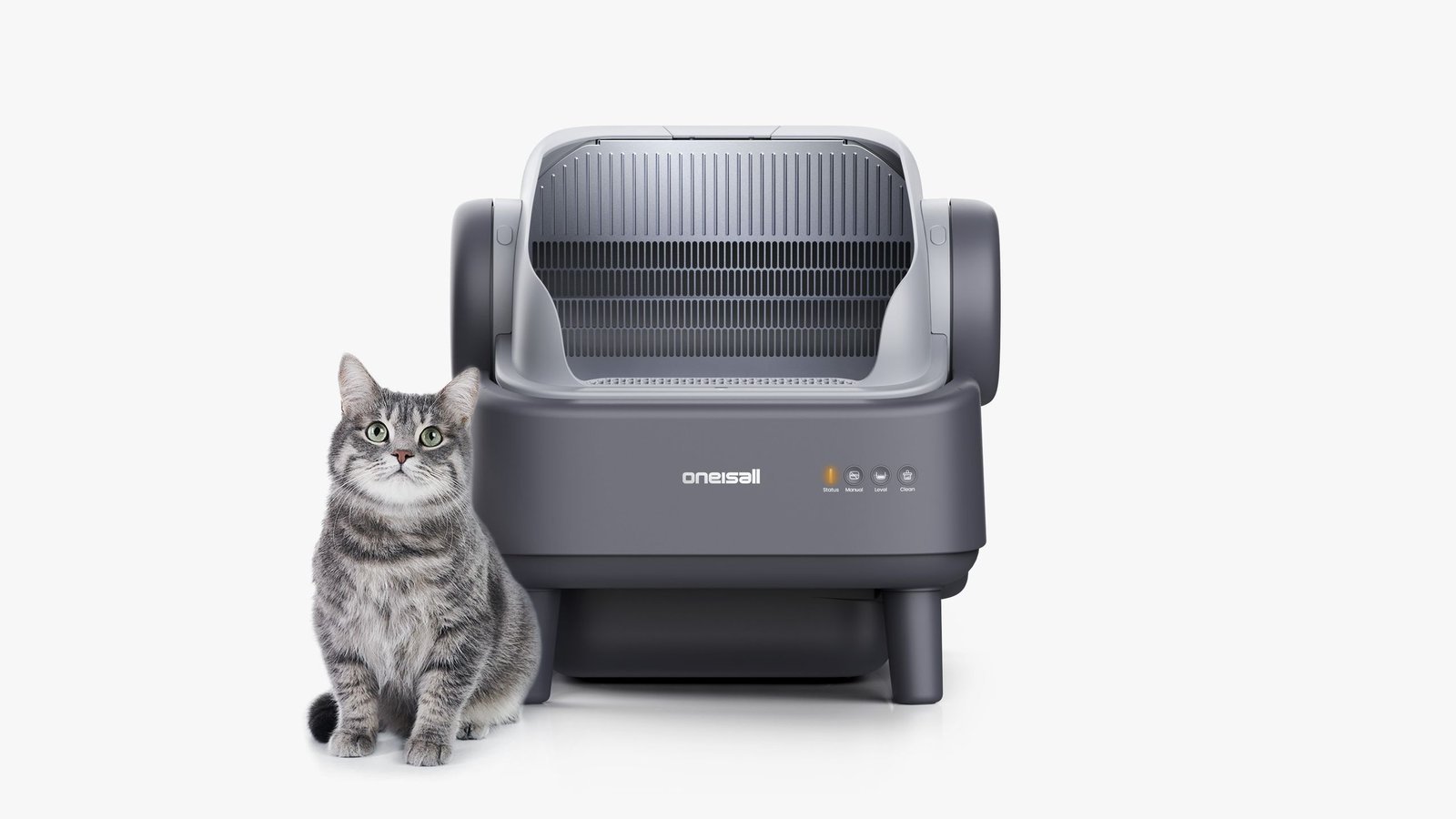
Artificial intelligence has left the phone and moved into the kitchen, the bedroom and even the cat's litter box. Five recent objects suggest the domestic future is not about voice commands but about machines that learn to live alongside us.
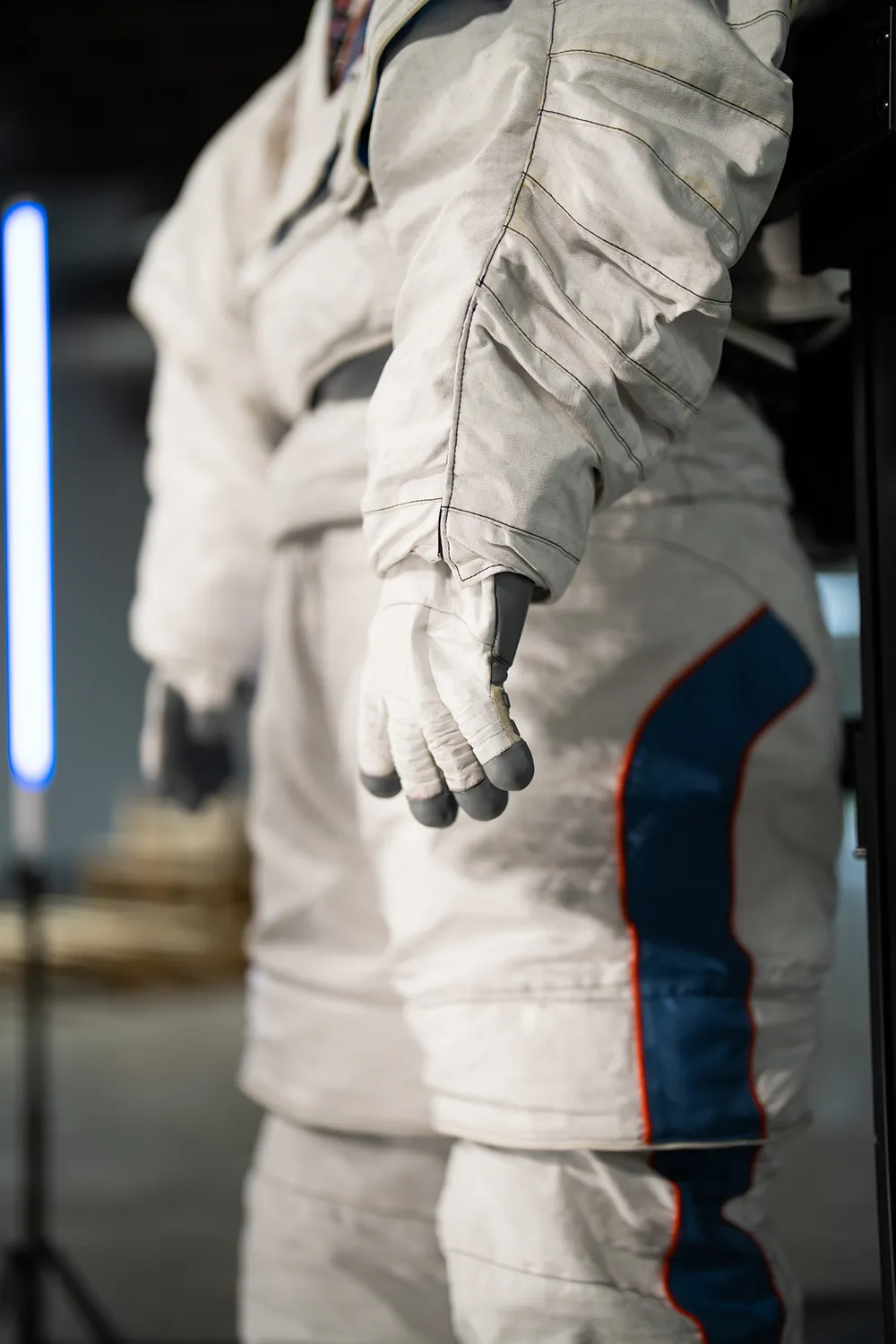
Announced in October 2023, the collaboration has moved from material research to a flight-design outer layer and a liquid-cooling garment for NASA’s revised Artemis programme.