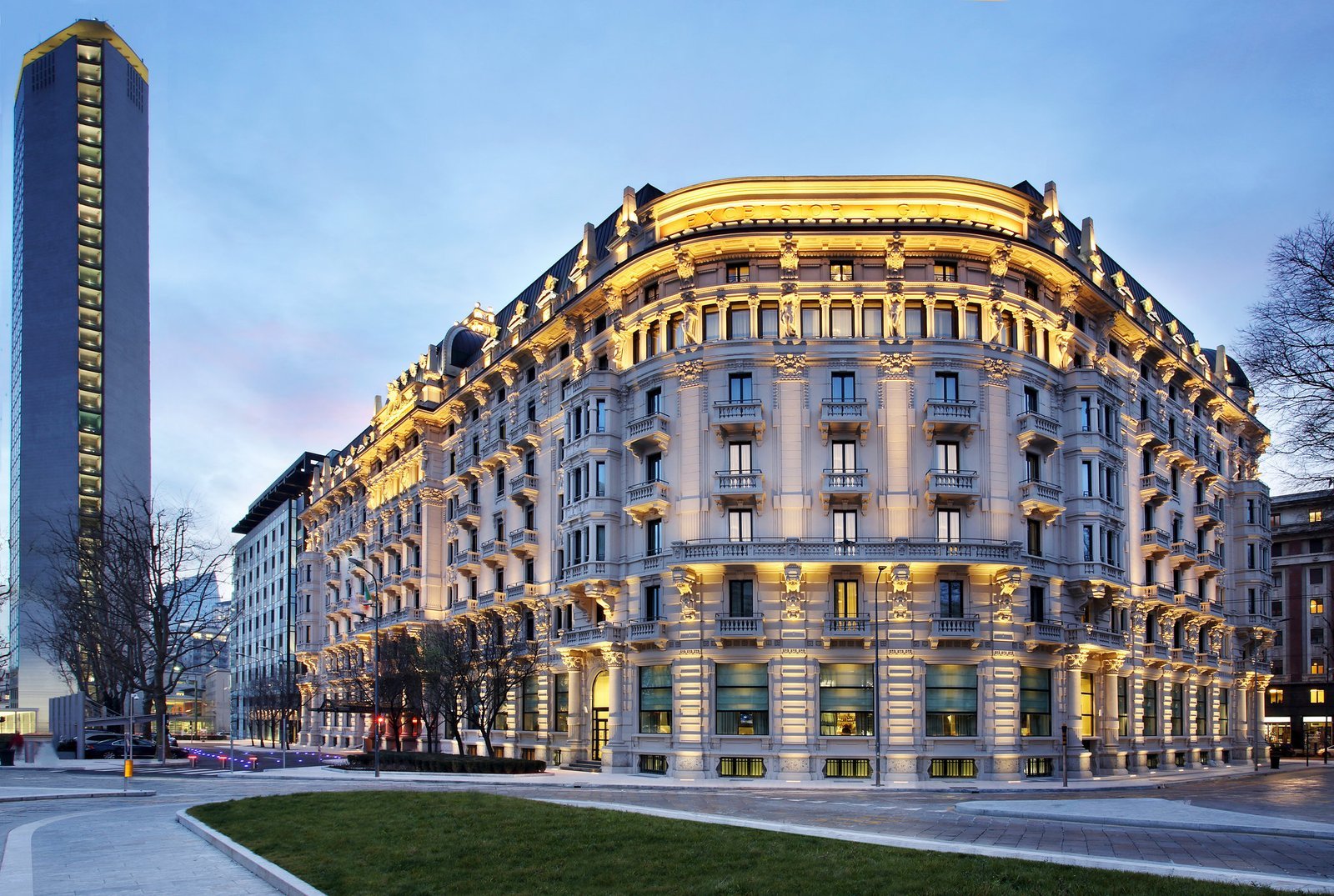
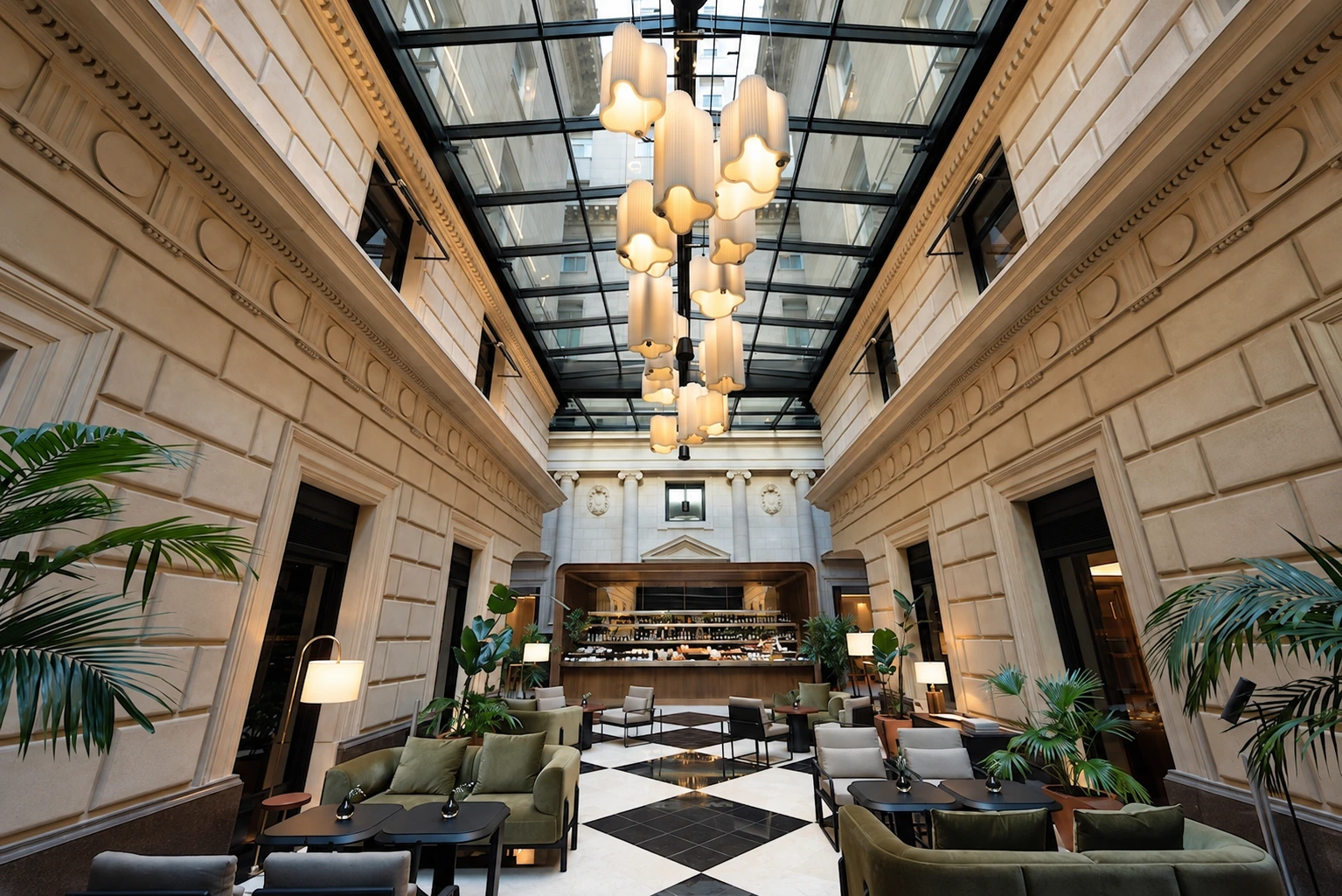
Opposite Milano Centrale, Marco Piva’s renovation connects a 1932 landmark with contemporary Italian makers. Furniture, lighting and art give the station-facing hotel its present language.
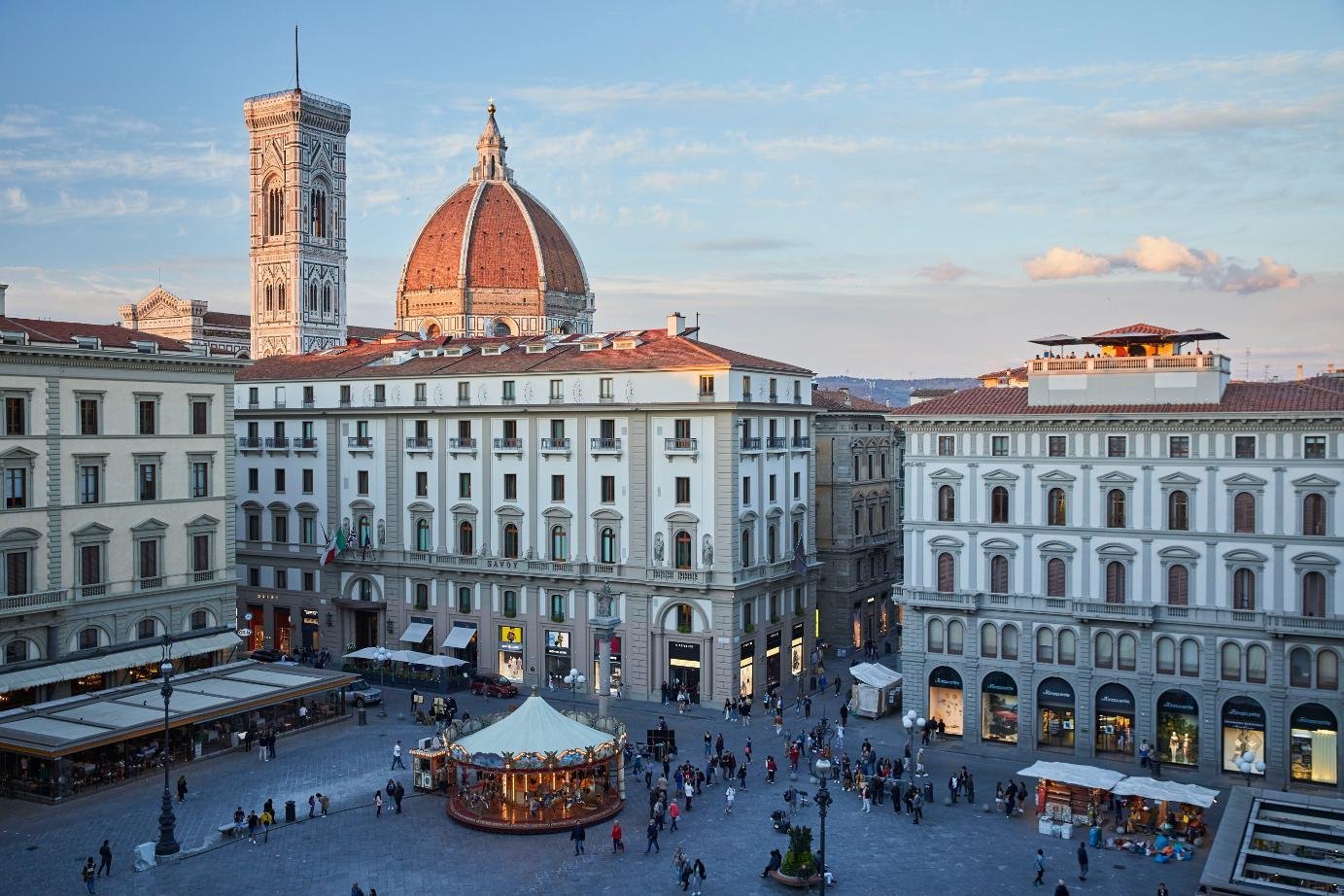
Olga Polizzi’s interiors place contemporary pattern inside a historic city address. The 2026 refurbishment adds another chapter through stone, timber and new spaces for dining.
An Emperor’s Jewel follows the making of the Roman hotel. Its most useful subject is the relationship between a Rationalist building and the many crafts that furnish it.
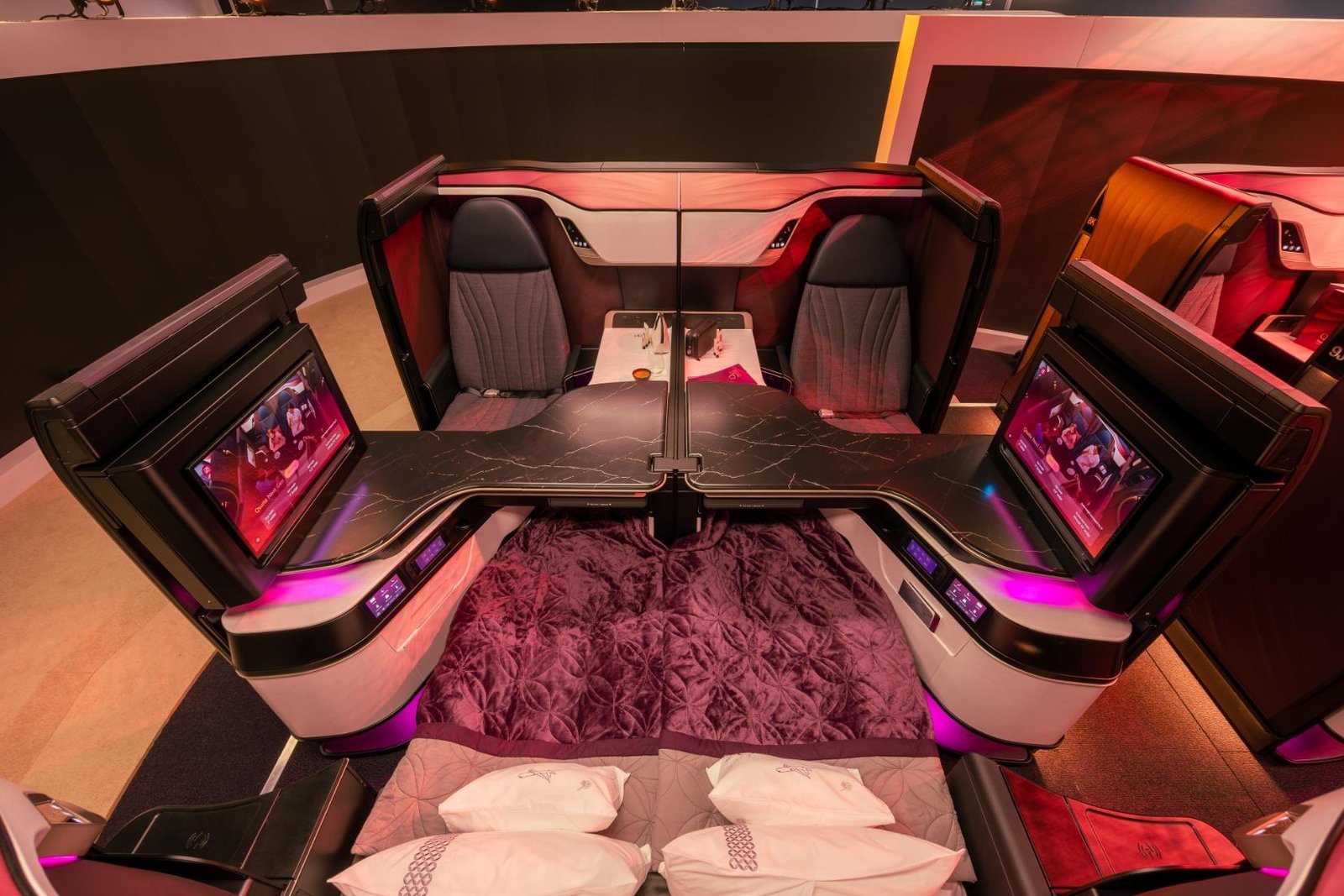
Unveiled at Farnborough in 2024, Qatar Airways' Qsuite Next Gen turns the seat into a room that reconfigures: sliding 4K OLED screens, taller digital dividers, double beds and a Companion Suite at the window. The Airbus A350-1000 now carries the debut, ahead of the Boeing 777-9.
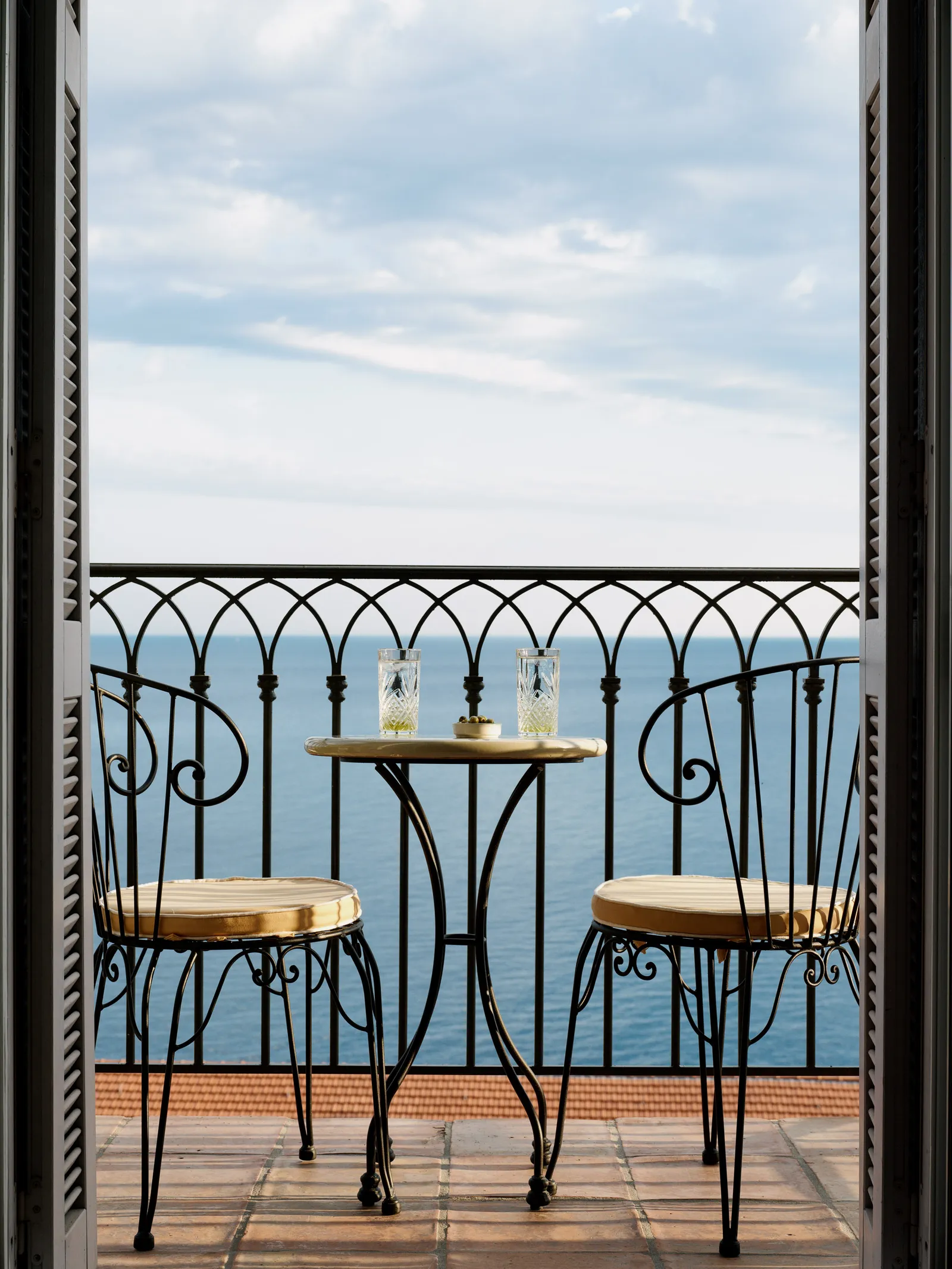
Friedmann & Versace’s renovation keeps the Riviera hotel’s hillside plan intact, then gives its interiors a coastal vocabulary made by artists and workshops.
A departure, an arrival and a connection ask different things of the traveller. Air France’s optional airport service addresses the route between them, with important distinctions around lounges, transfers and booking.
A rooftop, a live-fire kitchen and a separate service floor give the downtown property different scales. The choice is less about the size of the building than how its spaces fit a stay.
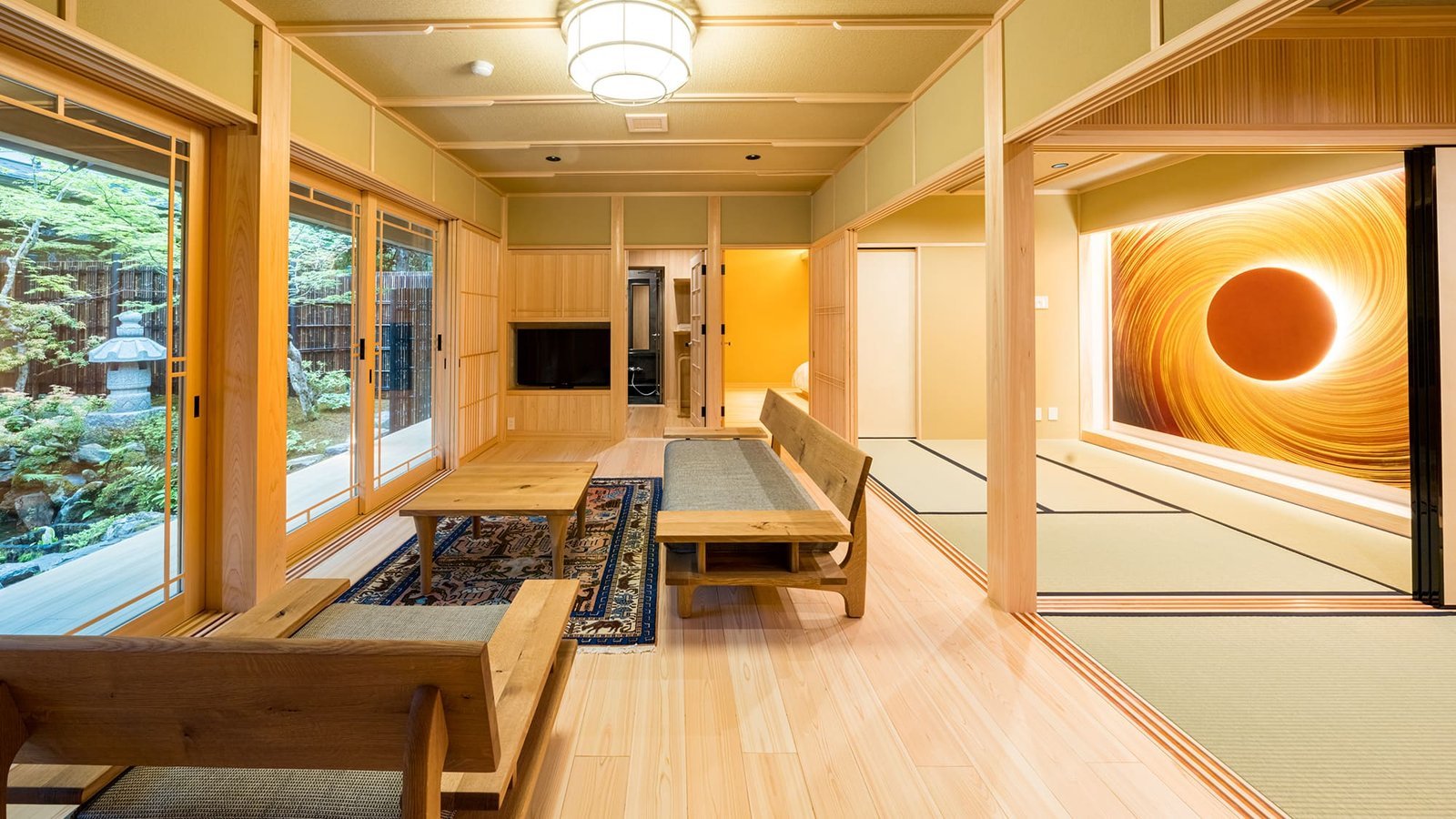
Asaba in Izu, Hoshinoya Tokyo and Ekoin on Mount Koya reveal why a country inn, an urban ryokan and a Buddhist temple stay should not be treated as the same itinerary.
On Arroyo, the hotel brings Fernanda Schuch’s interiors and Argentine artists into a historic vertical landmark. Its strongest identity comes from the relationship between the building and the city.
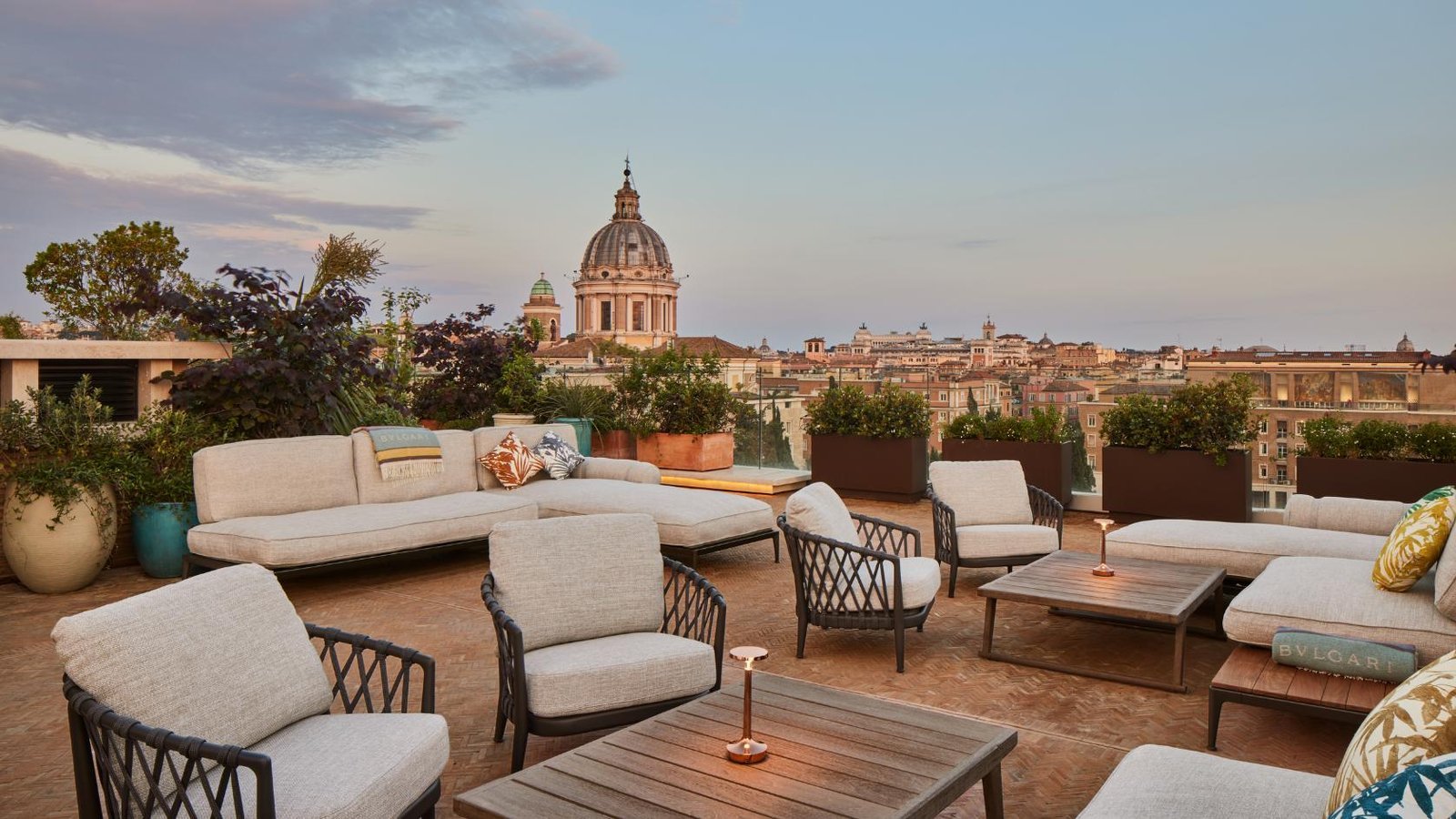
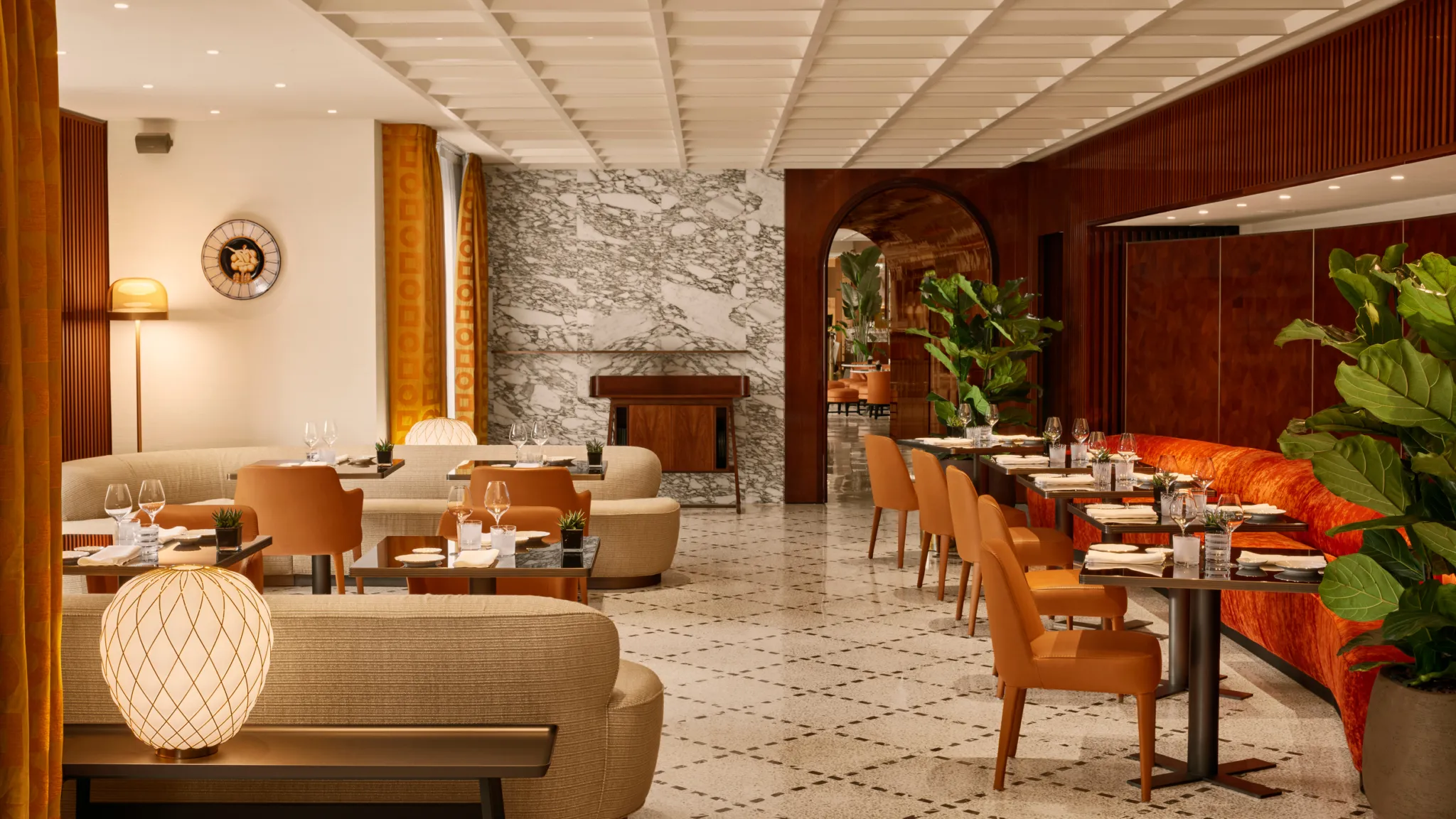
On the fifth floor of Bulgari Hotel Roma, above the Mausoleum of Augustus, Niko Romito cooks familiar Italian recipes with nothing added that does not need to be there.
In the centre of São Paulo, Jefferson Rueda and Janaína Torres built a restaurant around one animal, and kept the farm, the butcher and the street in the same room.
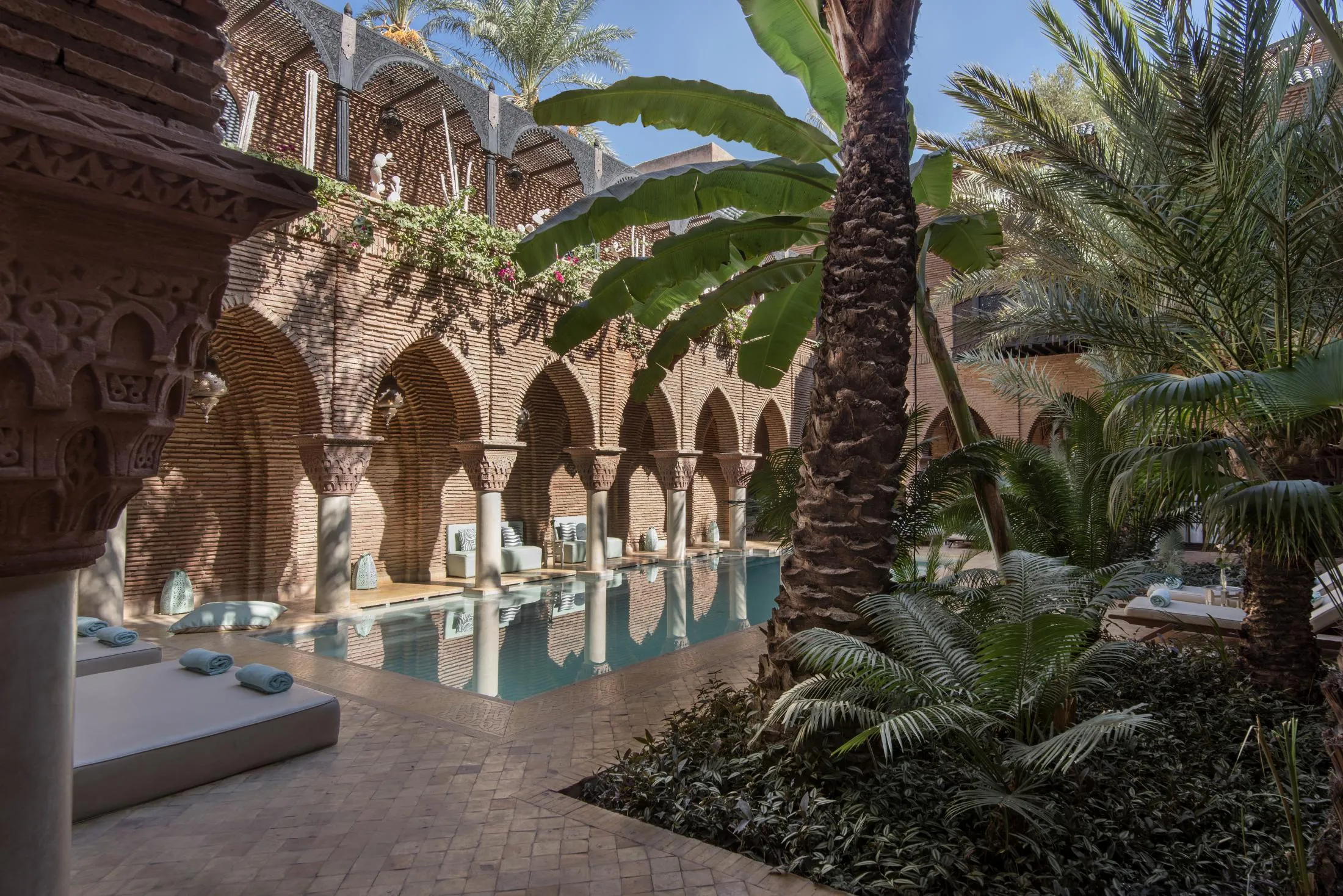
In the Royal Kasbah, connected courtyards give Moroccan craftsmanship room to differ. Carved cedar, zellige and plaster lead from the enclosed house to the city’s rooftops.